The Aesthetic and Ergonomic Trade-offs of Ultra-Thin iPhone Cases
The iPhone's meticulous industrial design, characterized by its sleek lines and premium materials, is a core part of its appeal. For many users, preserving this original aesthetic and tactile experience is paramount, leading them to ultra-thin iPhone cases. These accessories represent a delicate balance, aiming to offer protection without compromising the iPhone's inherent slimness, often feeling more like a second skin than an additional layer. Understanding their trade-offs is key.
Editor's pick: MagSafe iPhone cases on Amazon → As an Amazon Associate, this site earns from qualifying purchases.
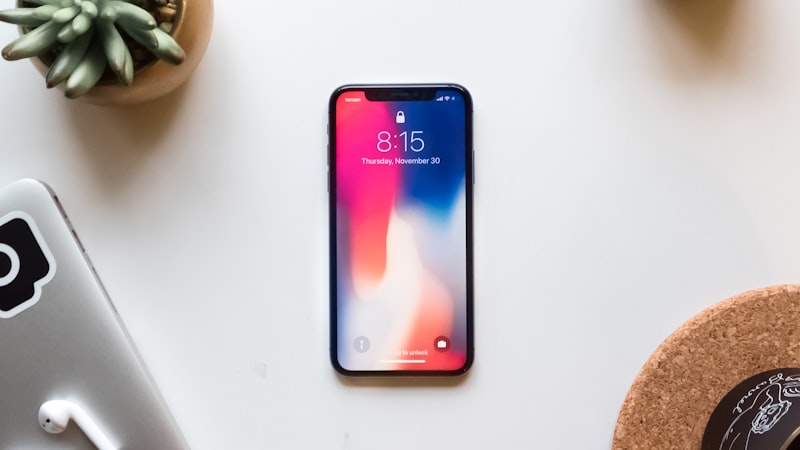
The Philosophy of Minimal Intervention
Ultra-thin cases embody a design philosophy rooted in subtlety. Their primary goal is to complement the iPhone's form factor, providing defense against scratches, minor scuffs, and everyday wear without adding perceptible bulk. This approach resonates with users who appreciate the iPhone's original engineering—its weight distribution, edge profile, and tactile feel—and wish to keep it as close to its intended state as possible. Manufacturing requires considerable precision for a perfect fit, hugging contours and keeping buttons accessible and ports unobstructed to maintain the 'barely there' experience.
Materials: The Foundation of Slim Protection
Material choice is crucial for ultra-thin cases, dictating durability, flexibility, and aesthetic. Common options include:
- Polycarbonate: Rigid and lightweight, offering extremely thin profiles and good scratch resistance, often with a smooth finish.
- Thermoplastic Polyurethane (TPU): More flexible, providing better minor shock absorption and often a softer, grippier feel.
- Aramid Fiber: Exceptionally strong relative to its weight, allowing for incredibly thin yet robust cases. These feature a distinctive woven texture, enhancing grip and offering a premium aesthetic, though at a higher price point.
Each material offers distinct characteristics in grip, transparency longevity, and resilience, guiding user choice.
Ergonomics and the Tactile Experience
The impact of an ultra-thin case on ergonomics is significant. While thicker cases alter the iPhone's natural grip, thin cases minimize this. The tactile feel varies by material: smooth polycarbonate might feel similar to bare glass, potentially offering less grip, while textured TPU or aramid fiber can notably enhance security in hand. The experience of the iPhone's buttons and edges is critical. Designs often feature precise cutouts for direct access or thin covers that preserve tactile feedback, avoiding any spongy sensation.
Protection vs. Aesthetic: The Core Trade-off
Users must have realistic expectations for protection. Ultra-thin cases excel at guarding against surface scratches, minor abrasions, and daily wear. They offer minimal defense against minor drops or bumps. However, they are not designed for heavy-duty impact absorption. Features like raised bezels around the screen or camera module, common in rugged cases, are often minimized or absent to maintain a sleek profile. For environments with higher drop risks, a more robust case is advisable. While ultra-thin cases offer minimal bezel protection, users seeking comprehensive display safeguarding might explore the advanced tempered glass options discussed on iPhone View (https://iphoneview.com).
MagSafe Integration in Slim Designs
MagSafe compatibility is a key consideration. Many modern ultra-thin cases integrate MagSafe magnets, ensuring seamless functionality with wireless charging, wallets, and other accessories. Manufacturers embed these magnets without adding noticeable thickness, a testament to evolving design and material science.
Who Benefits from the "Barely There" Case?
Ultra-thin cases suit users prioritizing the iPhone's original design, seeking protection from scratches and minor wear, rarely dropping their phone, valuing minimalist aesthetics, and desiring seamless MagSafe integration without added bulk.
Conclusion
Choosing an ultra-thin iPhone case is a deliberate decision to balance preserving your device's pristine condition against daily wear with minimal compromises to its original aesthetic and ergonomic brilliance. Not for every user, these cases offer an elegant, almost invisible layer of defense for those who value the iPhone's design integrity, proving that sometimes, less truly is more.
Questions readers ask
What would convince a sceptical reviewer that ultra thin cases design is worth it?
Hands-on time is the only honest test. A reviewer's first hour with the device tells them whether ultra thin cases design is solving a real problem they had, or a feature looking for a use case. The reviews following launch will be the verdict.
Will ultra thin cases design replace the current model or sit alongside it?
The likeliest path is co-existence — a new variant alongside the existing lineup, not a replacement. Apple's segmentation playbook keeps the older model around at a lower price for at least one cycle to absorb the gap.
How does ultra thin cases design stack up against what Samsung or Google already ship?
Android OEMs reached this corner of the market first, but they did so with looser tolerances on durability and software polish. Apple's bet is that arriving second with a tighter integration story wins more buyers than arriving first.
Have patents or job listings hinted at ultra thin cases design?
Yes — recent USPTO filings reference adjacent mechanisms, and Apple has been quietly posting roles in the relevant hardware and software teams. None of that guarantees a ship date, but it confirms the project is actively staffed.
In short — what's the takeaway on more from iphone arc?
It comes back to whether Apple can ship ultra thin cases design without compromising the parts of the iPhone people already pay for. The detail in this section is where that case is made or broken.