The Art of Subtlety: Designing Minimalist Cases for iPhone
Embracing the iPhone's Original Form
For many iPhone users, the device itself is a triumph of industrial design. Its meticulously crafted lines, premium materials, and tactile finishes are meant to be experienced directly. Yet, the practical reality of daily use necessitates protection. This creates a fascinating design challenge for accessory makers: how to safeguard the iPhone without obscuring its inherent beauty or adding unnecessary bulk? The answer lies in the art of minimalist case design.
Editor's pick: MagSafe iPhone cases on Amazon → As an Amazon Associate, this site earns from qualifying purchases.
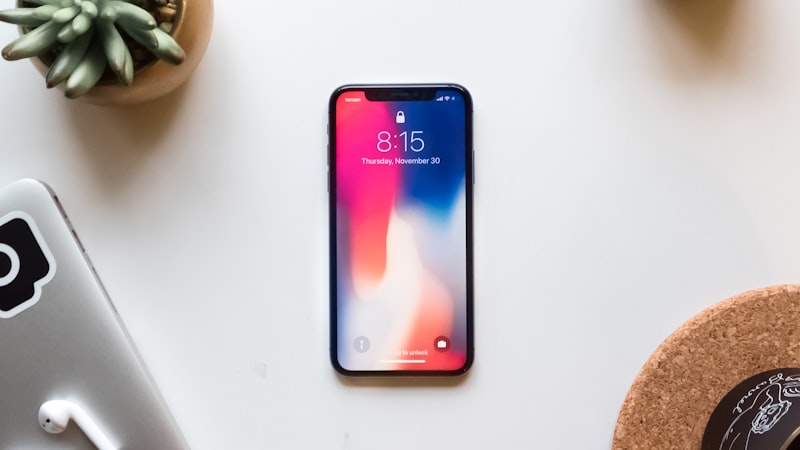
Minimalist iPhone cases are not merely thin; they embody a philosophy. They are engineered to be unobtrusive, allowing the iPhone's original form factor, color, and feel to remain paramount. This approach requires innovative material science, precise manufacturing, and a deep understanding of Apple’s evolving design language.
The Philosophy of 'Less Is More'
At its core, the appeal of a minimalist case is the desire to preserve the iPhone's slender profile and ergonomic comfort. A bulky case, while offering robust protection, can alter the device's carefully calibrated weight distribution and in-hand feel. Minimalist designs strive to maintain the iPhone's original dimensions as closely as possible, ensuring that the user experience remains largely unencumbered by the accessory.
This 'less is more' philosophy extends beyond mere thinness. It encompasses subtle design choices, such as transparent finishes to showcase the iPhone's color, matte textures to reduce fingerprints, or materials that offer a natural, pleasing grip without visual distraction.
Innovations in Material and Structure
Achieving minimalism without sacrificing essential protection is a delicate balance, heavily reliant on material innovation:
Ultra-Thin Polycarbonate and TPU
Many minimalist cases leverage advanced polycarbonate or thermoplastic polyurethane (TPU). These materials can be molded into incredibly thin profiles, offering scratch resistance and a degree of impact absorption for minor drops. Often, these come with a clear finish to let the iPhone's design shine through, or a subtle matte texture for a sophisticated, non-slip feel.
Aramid Fiber
Aramid fiber, known for its exceptional strength-to-weight ratio, is a favorite in the premium minimalist segment. Cases made from aramid fiber are extraordinarily thin, lightweight, and highly durable, offering excellent scratch and scuff protection while adding a distinctive, subtle woven texture.
Refined Silicone and Leather
While standard silicone cases can be bulky, minimalist versions use thinner, higher-density silicone formulations to provide grip and a soft touch without significant added volume. Similarly, fine leather cases are crafted to be remarkably slim, allowing the leather to age gracefully and develop a unique patina without making the phone cumbersome.
Adapting to Evolving iPhone Design
The iPhone’s design undergoes subtle yet significant changes with each generation, presenting ongoing challenges for minimalist case designers:
The Camera Module
The evolving size and prominence of the iPhone's camera bump require meticulous engineering. Minimalist cases incorporate precision cutouts or subtly raised bezels around the camera array, ensuring lens protection without adding excessive depth or width to the case's profile. This often involves a delicate balance to ensure the phone remains stable on flat surfaces.
Buttons and Ports
Maintaining the tactile feedback of the iPhone's buttons and ensuring unobstructed access to ports are critical. Minimalist cases feature either seamlessly integrated button covers that replicate the original clickiness or precisely cut openings that align perfectly with the phone's controls and charging port.
Edge and Corner Protection
Despite their slimness, well-designed minimalist cases incorporate subtle engineering to protect vulnerable edges and corners. This might involve slightly reinforced corners or microscopic air pockets within the material to dissipate impact energy, all while maintaining the overall sleek profile.
The MagSafe Challenge and Aesthetic Integration
The introduction of MagSafe presented a new dimension to minimalist case design. Integrating the magnetic array without adding visible bulk or disrupting the case's clean lines required ingenuity. Modern minimalist cases often feature MagSafe rings embedded discreetly beneath the surface material, ensuring full compatibility with MagSafe accessories while preserving the case's unobtrusive aesthetic.
Understanding the Trade-Offs
It is important to acknowledge that extreme minimalism inherently involves a trade-off. While these cases offer excellent scratch protection and guard against minor impacts, they typically do not provide the same level of robust drop protection as more rugged, bulkier cases. For users who prioritize the iPhone's original feel and aesthetic, and are generally careful with their device, this is a conscious and acceptable compromise. They seek to augment, rather than dominate, the iPhone's inherent design.
The Future of Unobtrusive Protection
The pursuit of the perfect minimalist iPhone case is an ongoing journey for designers and manufacturers. As Apple continues to refine the iPhone's form and function, so too will the ingenuity behind cases that seek to protect it without fanfare. The art of subtlety ensures that users can enjoy the best of both worlds: the unadulterated beauty of their iPhone, coupled with discreet, essential protection.