The Subtle Shifts: iPhone 15 Pro Case Compatibility and Aesthetic Impact of Generational Design
Apple's iPhone design philosophy is often characterized by its iterative refinement. Each new generation brings a suite of internal upgrades, but externally, the changes can appear subtle. However, for those seeking the perfect protective case or aesthetic accessory, these seemingly minor design tweaks between adjacent generations can have significant implications. This is particularly evident when comparing the iPhone 14 Pro and its successor, the iPhone 15 Pro, where a series of nuanced adjustments fundamentally alter case compatibility and the overall user experience.
Editor's pick: MagSafe iPhone cases on Amazon → As an Amazon Associate, this site earns from qualifying purchases.
The Critical Action Button and Edge Profile
Perhaps the most significant external change affecting case design for the iPhone 15 Pro is the introduction of the Action Button. Replacing the long-standing mute switch, this customizable button requires a precise cutout and tactile response from any compatible case. Cases designed for the iPhone 14 Pro, with its mute switch cutout, will simply not fit correctly around the 15 Pro's Action Button. At best, they will obstruct it; at worst, they will create an awkward bulge or prevent proper button function.
Beyond the Action Button, the iPhone 15 Pro also features slightly more contoured edges compared to the flatter, sharper lines of the 14 Pro. While both generations maintain a flat-sided design, the 15 Pro's edges are subtly rounded at the transition to the front and back glass. This ergonomic refinement, intended to make the device more comfortable to hold, also influences how a case sits. A case designed for the 14 Pro might feel less seamless or create small gaps on a 15 Pro, compromising both protection and the intended aesthetic.
Precision in Camera Module Design
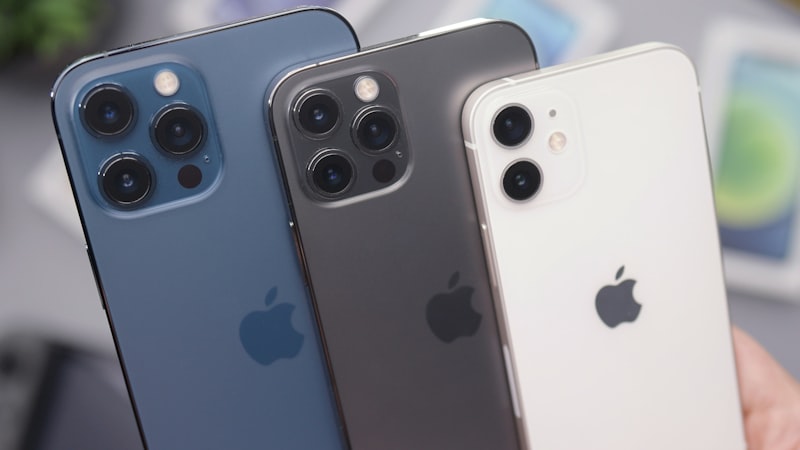
The iPhone's camera system has consistently evolved, and with it, the camera bump. While the overall footprint of the camera array might appear similar between the 14 Pro and 15 Pro, close inspection reveals subtle differences in lens size, spacing, and the overall protrusion from the back panel. A case designed for the 14 Pro's camera module, when applied to a 15 Pro, might result in misaligned cutouts, partially obscuring a lens, or leaving an unnecessary gap that collects dust and debris. Precision fit is paramount not only for aesthetics but also for ensuring the case adequately protects the delicate camera lenses from impact and scratches.
Minute Dimensional Adjustments and Port Transition
While often imperceptible to the naked eye without a direct comparison, the iPhone 15 Pro exhibits slight variations in its overall height, width, and depth compared to the 14 Pro. These are often fractions of a millimeter, but for a snug-fitting case, even such minor discrepancies can lead to an imperfect fit. A case that is too tight can be difficult to install or remove, potentially scratching the phone's frame, while a case that is too loose can allow the phone to shift, reducing impact protection.
Furthermore, the transition from the Lightning port to USB-C on the iPhone 15 Pro necessitates a different port cutout on the case. Cases for the 14 Pro will have a Lightning-shaped cutout, which will not align with the wider USB-C port of the 15 Pro, again rendering them incompatible.
Aesthetic Harmony and Buyer's Guidance
The goal of a premium iPhone case is to complement the device's design, offering protection without detracting from its elegance. When a case is not perfectly matched to the specific iPhone generation, the subtle misalignments can disrupt this aesthetic harmony. An ill-fitting case can make a sleek device feel bulky, or its cutouts can appear haphazard, undermining the iPhone's meticulous industrial design.
For buyers, the message is clear: always verify that a case is specifically designed for your exact iPhone model. Do not assume that a case for a previous 'Pro' generation will seamlessly fit the latest one. Pay close attention to product descriptions and compatibility lists, especially regarding the Action Button, camera cutouts, and port type.
The meticulous engineering that goes into each iPhone generation demands equally precise accessories. Choosing a case that accounts for these subtle generational shifts ensures not only optimal protection but also preserves the intended aesthetic and ergonomic experience of your device. As explored in our guides at iPhone View, the precise lip of a well-designed case can also complement screen protector application, creating a unified protective barrier for your iPhone.