The Edge Advantage: Why iPhone Bumper Cases Offer Focused Protection and Uninterrupted Design
The Allure of the Uncovered iPhone
For many iPhone users, the device's carefully sculpted design and premium materials are central to its appeal. From the precision-machined aerospace-grade aluminum to the polished surgical-grade stainless steel or the more recent brushed titanium finishes on Pro models, Apple invests significant effort in the tactile and visual experience of the iPhone. For those who appreciate this intrinsic design, fully encasing the device often feels like a compromise. This is where the bumper case steps in, offering a nuanced solution that balances protection with aesthetic preservation.
Editor's pick: MagSafe iPhone cases on Amazon → As an Amazon Associate, this site earns from qualifying purchases.
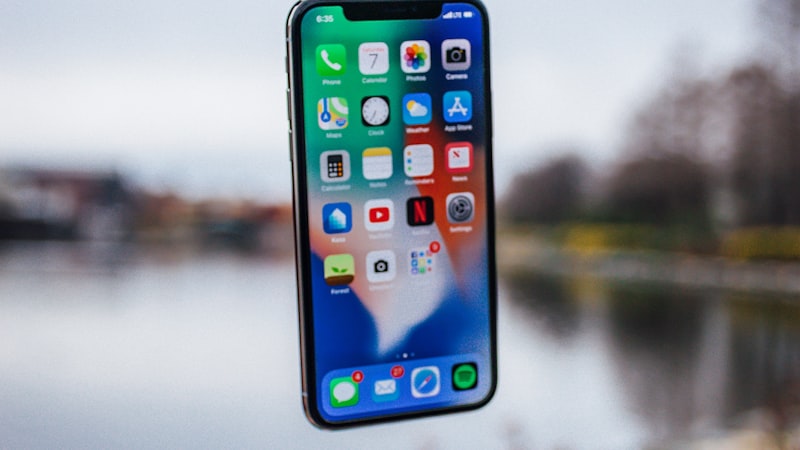
Unlike full cases that envelop the entire rear and sides of the iPhone, bumper cases focus exclusively on the perimeter. This design philosophy is rooted in a practical understanding of drop dynamics: the edges and corners are the most vulnerable points during an impact. By fortifying these critical zones, bumpers aim to absorb and dissipate shock, often preventing direct contact between the iPhone's glass or metal frame and the impact surface.
Strategic Protection: Focusing on What Matters
The primary function of an iPhone bumper case is to provide robust protection where it is most needed. A significant percentage of drops result in impact on the device's corners or edges. A well-designed bumper case features reinforced corners and a raised lip around both the front screen and the rear camera module. This elevated perimeter ensures that when the iPhone is placed face down or face up on a flat surface, or if it lands flat during a fall, the screen and camera lenses do not directly contact the ground.
Beyond impact resistance, bumpers also address grip. The sleek, often smooth surfaces of modern iPhones, while aesthetically pleasing, can sometimes feel slippery. Many bumper designs incorporate textured edges or ergonomic contours that significantly improve purchase in the hand, reducing the likelihood of accidental drops in the first place. This blend of focused protection and enhanced ergonomics makes them a compelling choice for users who prioritize both security and the feel of their naked iPhone.
Materials and Their Impact on Bumper Performance
The effectiveness and aesthetic of a bumper case are heavily influenced by its construction materials. A range of options exists, each offering distinct properties:
- Thermoplastic Polyurethane (TPU): Highly flexible and durable, TPU is a common choice for bumpers. It offers excellent shock absorption and a good tactile feel, often with a slight stickiness that enhances grip.
- Polycarbonate (PC): Stiffer than TPU, polycarbonate provides a rigid frame that can withstand significant impacts. It's often used in hybrid designs, sometimes combined with softer TPU elements for shock dampening.
- Aluminum/Titanium: For a premium look and feel, some bumpers feature metal frames. These offer exceptional rigidity and a sophisticated aesthetic that complements the iPhone's own metal chassis. However, they typically provide less inherent shock absorption than polymer-based materials and can add more weight.
- Hybrid Designs: Many manufacturers combine materials, such as a rigid polycarbonate frame with a softer TPU interior lining or exterior accents. This approach aims to leverage the strengths of different materials for optimal protection and comfort.
Aesthetic Integration and Practicality
A key appeal of bumper cases lies in their ability to maintain the iPhone's original aesthetic. By leaving the rear glass and front display largely exposed, users can appreciate the phone's color, finish, and design details without obstruction. This is particularly attractive for those who have chosen a specific iPhone finish they wish to display.
Furthermore, bumper cases often facilitate better thermal dissipation compared to full cases. With the rear of the device exposed, heat generated during intensive tasks like gaming or prolonged video recording can dissipate more freely, potentially contributing to sustained performance.
When selecting a bumper, consider its compatibility with other accessories. Most modern bumpers are designed to work seamlessly with MagSafe accessories, allowing for easy attachment of chargers, wallets, and other MagSafe-enabled peripherals. It's also crucial to ensure that the bumper's raised lip is sufficient to protect your chosen screen protector. As we explored in our analysis of screen protector types at iPhone View, choosing the right front protection is equally vital for a complete safeguarding strategy.
The Balance of Protection and Preservation
In conclusion, iPhone bumper cases occupy a distinct niche in the accessory market. They cater to users who demand protection for their device's most vulnerable points while refusing to compromise on the iPhone's inherent design and tactile experience. By understanding the materials, design principles, and practical benefits of bumper cases, users can make an informed choice that effectively safeguards their investment without obscuring the elegance of Apple's engineering.