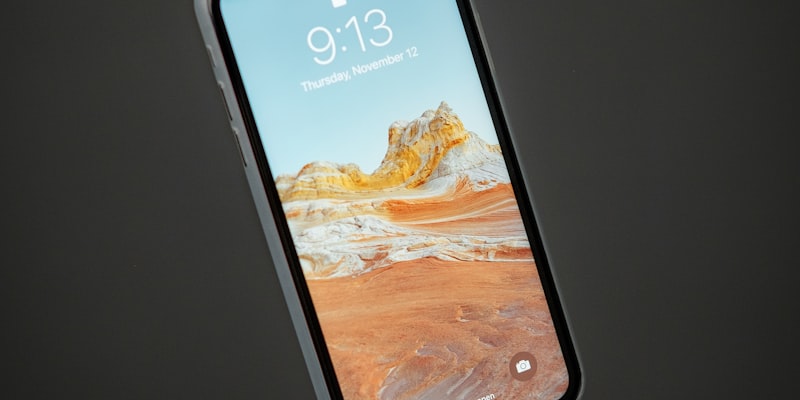
In 2012, Apple shipped the iPhone 5 at 7.6mm thick and the tech press marveled at how impossibly thin it was. Then phones got thicker. Battery demands grew. Camera modules ballooned. The iPhone 15 Pro Max measures 8.25mm, and nobody complains because we have all tacitly accepted that phones are as thin as physics allows them to be given what we expect them to do. But Apple, it seems, has not accepted that. The iPhone 17 Air, expected later this year, reportedly measures just 5.5mm at its thinnest point. Thinness is back, and this time it is a deliberate design statement rather than an incremental engineering achievement.
A Brief History of Thin
Apple has always used thinness as a marker of engineering prowess. The original MacBook Air, unveiled by Steve Jobs sliding it out of a manila envelope in 2008, defined an entire product category through the simple proposition that a laptop could be impossibly slim without being useless. The iPod nano went through multiple generations of aggressive thinning, culminating in a device so slim it was essentially a clip-on screen. The iPad Air followed the same trajectory.
The iPhone participated in this trend for its first several generations. The iPhone 4 was thinner than the 3GS. The iPhone 5 was thinner still. The iPhone 6 pushed to 6.9mm, which remains the thinnest iPhone ever shipped. But then the trend reversed. The iPhone 6s was slightly thicker. The iPhone 7, thicker again. By the time the iPhone 11 Pro arrived in 2019, the phone was back above 8mm, driven primarily by the need for larger batteries and the growing camera bump on the rear.
The camera bump deserves particular attention in any discussion of iPhone thinness, because it is the single component that most constrains how thin the device body can be. Modern iPhone camera systems use sensor-shift optical image stabilization, multiple lens elements, and increasingly large image sensors, all of which require physical depth. The camera module on the iPhone 16 Pro Max protrudes approximately 4mm from the rear surface. Even if Apple made the rest of the phone paper-thin, the camera would still stick out.
What the iPhone 17 Air Reportedly Changes
The iPhone 17 Air, according to supply chain reports from Ming-Chi Kuo and display analyst Ross Young, takes a fundamentally different approach to the thinness problem. Rather than trying to make a flagship phone thinner while preserving all its capabilities, Apple has apparently designed a phone that explicitly trades certain capabilities for a dramatically thinner profile. The device reportedly uses a single rear camera rather than the dual or triple systems on the standard and Pro models. The battery is smaller, likely in the range of 2,800 to 3,000mAh compared to the 4,400mAh or larger cells in Pro Max devices. And the SIM tray is gone entirely, with the device being eSIM-only in all markets.
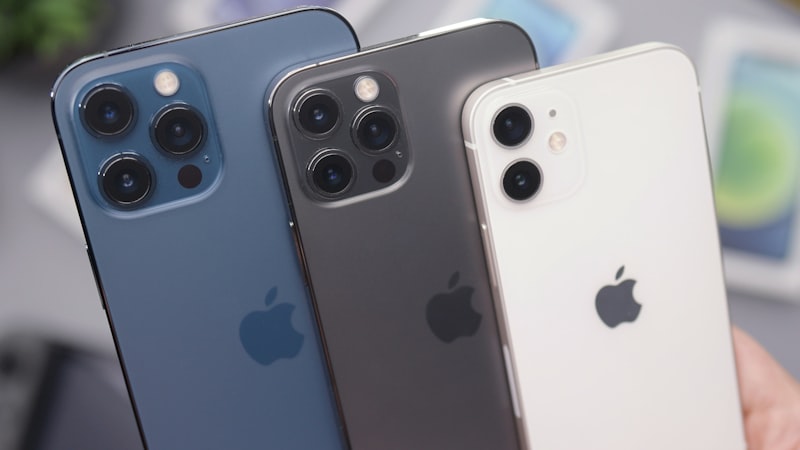
Materials tell the story of iPhone's design evolution
These are real trade-offs, and they position the iPhone 17 Air as something other than a stripped-down flagship. It is a different kind of phone -- one that prioritizes the physical experience of holding and carrying the device over raw specification maximalism. This is a design philosophy that has largely disappeared from the smartphone market over the past five years, as every manufacturer has converged on the same formula of big screen, big battery, big camera array.
Industrial Design as Differentiation
From a design history perspective, the iPhone 17 Air is interesting because it represents Apple using industrial design itself as a product differentiator rather than as a container for technology. For most of the past decade, the physical design of the iPhone has been in service of its internal components: the screen got bigger because people wanted bigger screens, the body got thicker because the battery needed to be bigger, the camera bump grew because the sensors needed more room. Design followed function.
The Air inverts this. The design -- specifically, the thinness -- is the point. The technology inside has been selected and constrained to serve the design goal rather than the other way around. This is a philosophical shift that echoes the original MacBook Air, which shipped with a slower processor, less RAM, and fewer ports than the MacBook Pro specifically because those were the trade-offs required to achieve its form factor.
Whether this resonates with consumers is an open question. The original MacBook Air sold modestly at launch and only became a mainstream product when subsequent generations closed the performance gap with the Pro line. The iPhone 17 Air may follow a similar trajectory: an initial device that establishes the form factor and a design language, followed by future generations that gradually restore the capabilities that were sacrificed for thinness.
What It Means for the Foldable
There is a direct line from the iPhone 17 Air to Apple's anticipated foldable iPhone. A foldable device is, by definition, twice as thick when closed as a standard phone of the same dimensions. If Apple wants a foldable iPhone that does not feel like a brick in your pocket, it needs each half to be extremely thin. The engineering work that goes into making the Air viable at 5.5mm -- the miniaturized components, the thinner battery chemistry, the single-camera system -- is directly applicable to the foldable program.
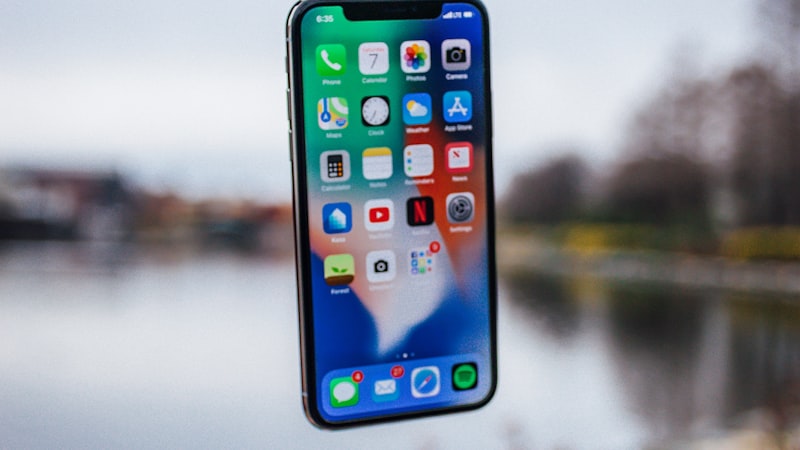
From rounded edges to flat sides — design decisions that defined eras
In this reading, the iPhone 17 Air is not just a product. It is a technology demonstrator for the foldable generation. Apple is proving to itself and to its supply chain that it can build a functional, desirable iPhone at extreme thinness. If each half of a foldable device can approach 5.5 to 6mm, the closed device would be 11 to 12mm thick -- essentially the same as a current iPhone in a case. That is the threshold at which a foldable phone stops feeling like a compromise and starts feeling like a normal phone that happens to unfold.
The Arc Continues
Materials tell the story of iPhone's design evolution
Every generation of iPhone tells a story about what Apple values at that moment. The iPhone 4 said precision. The iPhone 6 said comfort. The iPhone X said screen. The iPhone 12 said edges. The iPhone 15 Pro said materials. The iPhone 17 Air says thinness -- and, by extension, it says that the physical object in your hand still matters in an era when most phone discussions center on processors, cameras, and software features. That is a design statement worth paying attention to, regardless of whether the Air itself becomes a best-seller. The thin phone wars are back. Apple fired the first shot.