When Steve Jobs pulled the original iPhone from his pocket on 9 January 2007, he was holding a device that broke almost every convention in the mobile phone industry. Where competitors offered plastic housings studded with physical keypads, the iPhone presented a single slab of glass fused to an aluminium back panel, topped with a narrow strip of brushed stainless steel. The hardware communicated a message before the screen even lit up: this is something different. Nearly two decades later, that instinct -- that the physical form of a phone matters as much as its software -- continues to drive Apple's most consequential product decisions.
Editor's pick: MagSafe iPhone cases on Amazon → As an Amazon Associate, this site earns from qualifying purchases.
The Glass Sandwich and the Birth of a Design Language
The iPhone 4, released in June 2010, remains one of the most important inflection points in smartphone design history. Jony Ive's team replaced the original's curved aluminium rear with a flat panel of aluminosilicate glass on both front and back, held together by a visible stainless steel band that doubled as the antenna. The result was polarising -- the "Antennagate" controversy made that clear -- but the industrial design itself was widely regarded as a leap forward. It was thinner, more precise, and more architecturally considered than anything else on the market. The flat sides and sharp chamfers introduced a visual vocabulary that Apple would revisit more than a decade later.
With the iPhone 5 in 2012, Apple shifted again. The glass back was gone, replaced by an anodised aluminium unibody shell with diamond-cut chamfered edges that caught the light. It was the first iPhone to feel genuinely lightweight and the first to use aluminium as a defining material rather than an accent. The 5s refined this further, and the design DNA carried forward in recognisable form through the SE line for years.
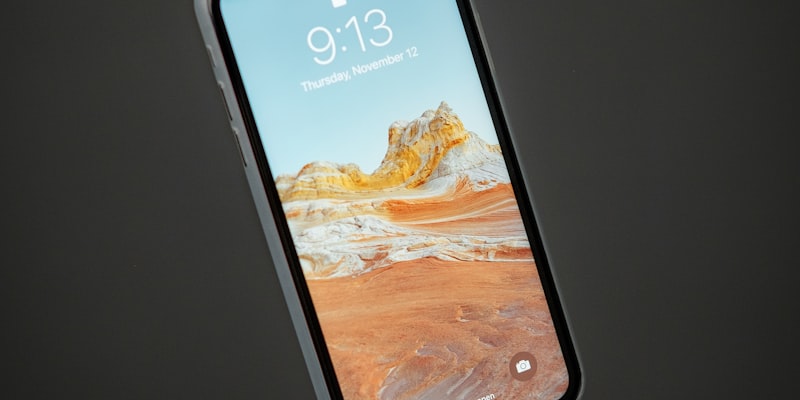
Photo: Unsplash
The Rounded Era and Its Discontents
The iPhone 6 and 6 Plus, launched in September 2014, introduced the rounded-edge form factor that would persist through four product generations. The aluminium unibody was now softer, with gentle curves that wrapped around the sides. It was comfortable to hold but drew criticism for visible antenna lines and a camera bump that prevented the phone from sitting flat. More importantly, this rounder design language became so pervasive across the Android ecosystem that it was increasingly difficult to distinguish an iPhone from its competitors at arm's length. Apple had set the template, and the industry had copied it so thoroughly that the original lost some of its distinctiveness.
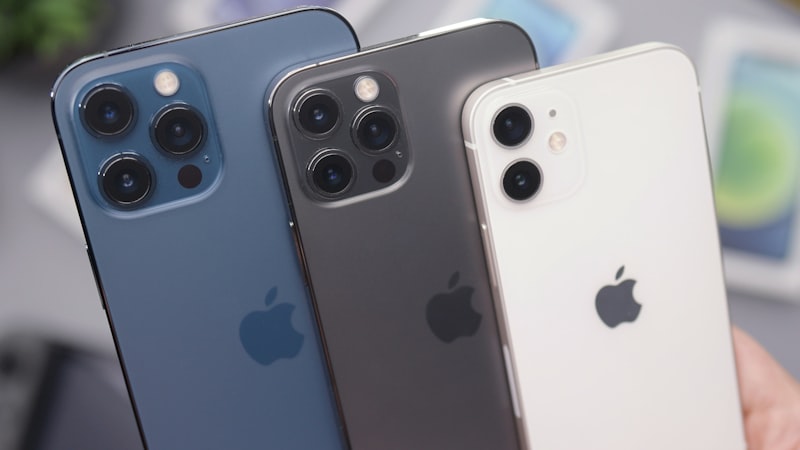
Materials tell the story of iPhone's design evolution
The iPhone X in November 2017 changed the conversation again. By eliminating nearly all bezels and introducing the notch -- a polarising but unmistakable identifier -- Apple redrew the front face of the smartphone entirely. The stainless steel frame and glass back returned, now with wireless charging as a functional justification for the material choice. The X established the design framework that would carry the iPhone through four years and multiple display sizes, culminating in the 12 and 13 series that brought back the flat-sided profile first seen in the iPhone 4 and 5 era.
Titanium and the Premium Signal
The iPhone 15 Pro, released in September 2023, marked Apple's most significant material shift in years. The stainless steel frame was replaced with Grade 5 titanium -- the same alloy used in aerospace and high-end watchmaking. The practical benefits were real: titanium is roughly 45 percent lighter than stainless steel at comparable strength, which allowed Apple to reduce the weight of the Pro models for the first time in several generations. But the signal was equally important. Titanium communicates durability, permanence, and technical seriousness in a way that aluminium and steel do not. It positions the Pro line as a genuinely different category of product, not merely a more expensive version of the same phone.
The brushed titanium finish also introduced a new tactile quality. Where stainless steel was glossy and prone to fingerprints, the titanium frame has a matte, slightly textured feel that changes how the phone sits in the hand. Apple continued this material direction with the iPhone 16 Pro, refining the finish and further differentiating the Pro tier from the standard aluminium models.
Recommended from our network
What Comes Next: Foldables, Portless, and the Unknown
Apple's patent filings over the past several years point to active exploration of foldable and flexible display technologies. Patents granted as recently as late 2025 describe hinge mechanisms designed to minimise the visible crease that plagues current foldable phones from Samsung and others. Separate filings detail inductive data transfer systems that could support a portless iPhone, eliminating the Lightning-to-USB-C transition debate entirely by removing the physical connector altogether. Whether these patents translate into shipping products remains uncertain -- Apple files broadly and builds selectively -- but they indicate the directions Cupertino is actively prototyping.
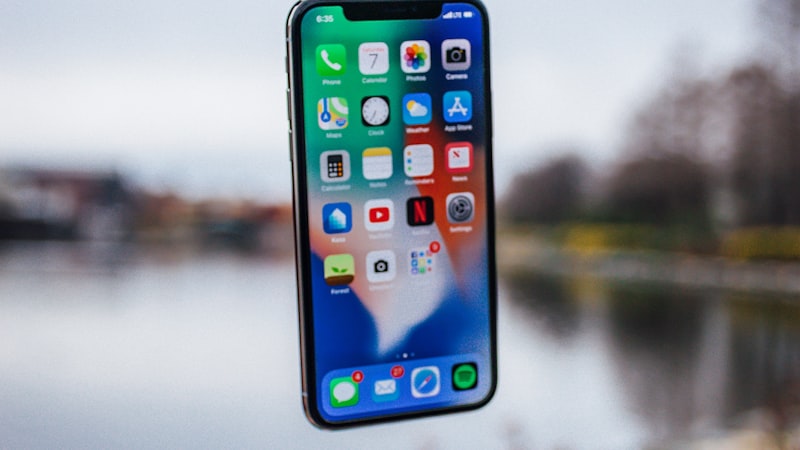
From rounded edges to flat sides — design decisions that defined eras
Analyst reports and supply chain leaks have suggested a foldable iPhone could arrive as early as 2027, though Apple's timeline has reportedly shifted multiple times. A portless design is considered more likely in the nearer term, potentially coinciding with regulatory pressure in the EU around charger standardisation and Apple's own push toward MagSafe and Qi2 wireless ecosystems.
Why It Matters
Materials tell the story of iPhone's design evolution
It is easy to dismiss industrial design as superficial -- a matter of aesthetics rather than function. But the iPhone is a device that most of its owners pick up, hold, and interact with dozens or hundreds of times every day. The radius of a corner, the weight distribution across the frame, the way a material warms or stays cool against the palm -- these are not abstract concerns. They shape the lived experience of using the product in ways that no spec sheet captures.
Apple understands this, and has consistently used material and form factor changes to mark new eras of the product line. The transition from aluminium to titanium is the latest chapter in that story, but it will not be the last. The design arc of iPhone continues, and wherever it bends next -- toward folding glass, toward new alloys, toward shapes we have not yet imagined -- the underlying conviction remains the same: how a phone is made is inseparable from what a phone is.