The Art of Precision: How iPhone Case Cutouts Define Function and Form
When choosing an iPhone case, the focus often gravitates towards material, overall protection, or aesthetic appeal. Yet, one of the most critical, albeit often overlooked, aspects of case design lies in the precision and thoughtful execution of its cutouts. These seemingly simple openings for ports, buttons, speakers, and the camera array are not just holes; they are meticulously engineered elements that dictate both the iPhone's functionality and its integrated aesthetic within the case.
Editor's pick: MagSafe iPhone cases on Amazon → As an Amazon Associate, this site earns from qualifying purchases.
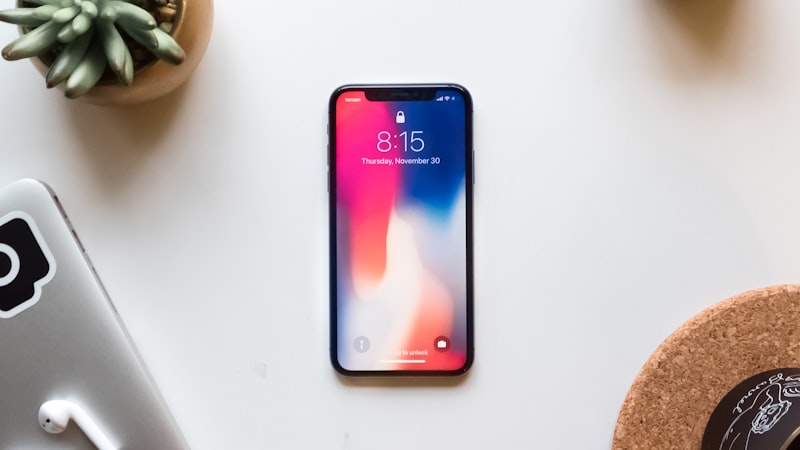
The Evolving Landscape of Ports
The transition of newer iPhones to USB-C, or the long-standing presence of the Lightning port on previous models, demands absolute precision from case manufacturers. A port cutout must be wide enough to accommodate the charging cable and other accessories without obstruction, yet tight enough to prevent dust and debris from entering the port itself. Too wide, and the case feels loose and unprotected around a critical ingress point. Too narrow, and users face frustrating connectivity issues. The depth of the cutout also matters, especially with some third-party cables that feature slightly bulkier connectors. Manufacturers must balance universal compatibility with a streamlined design that doesn't add unnecessary bulk.
Button Clarity and Tactility
iPhone cases approach buttons in two primary ways: fully covering them with molded material or leaving them as open cutouts. Each method presents unique design challenges. For covered buttons – common on volume and power controls – the case material must be thin and flexible enough to allow for a satisfying tactile 'click' without requiring excessive force. This involves precise molding and often internal reinforcement to ensure durability. The Action Button on recent iPhone Pro models introduces another layer of complexity. Its customizable nature means users need reliable, easy access. Case designs must ensure the Action Button remains responsive and accessible, whether through a perfectly sized cutout that allows direct contact or a cleverly integrated covered button that retains its custom function. The goal is always to preserve the native iPhone button experience while adding a layer of protection.
Speaker and Microphone Grille Integration
Audio quality is paramount for iPhone users, making the design of speaker and microphone cutouts particularly critical. Cases must ensure that sound output from the bottom speakers is unimpeded, often achieved through a series of precisely drilled perforations or a larger, contoured opening. Similarly, microphone cutouts need to be exact, preventing any muffling during calls or recordings while still offering protection against dust and impact. Advanced acoustic design in cases can even involve channeling sound slightly, though the primary objective remains transparent audio transmission without compromise.
Framing the Camera Array
The iPhone's camera system has become increasingly sophisticated, featuring multiple lenses, a flash, and often a LiDAR scanner, all housed within a prominent camera bump. Integrating this complex array into a case requires significant design consideration. Case cutouts for the camera must be perfectly aligned to avoid obstructing any lens, the flash, or sensor functionality. Furthermore, cases often incorporate a raised lip or bezel around the camera cutout, providing crucial protection when the iPhone is placed on a flat surface. This protective barrier safeguards against scratches and direct impact. From an aesthetic standpoint, the camera cutout also plays a role in how cohesive the case feels, transforming the distinct camera bump into an integrated design element rather than an awkward protrusion.
Accommodating the Display Interface: Notch and Dynamic Island
While cases rarely cover the iPhone's screen itself, their top edge must precisely frame the display interface, whether it's the traditional notch or the more recent Dynamic Island. This edge needs to be flush or slightly raised to offer some screen protection without interfering with swipe gestures or visual elements. As we've explored at iPhone View in our discussions on screen protectors and display aesthetics, the clarity of the display interface is paramount. A poorly designed case edge can cast shadows, obstruct notifications, or simply detract from the user experience by not perfectly aligning with the screen's boundaries.
Generational Refinements and Manufacturing Challenges
Each new iPhone generation often introduces subtle, yet significant, changes to button placement, camera module dimensions, and overall chassis contours. This necessitates constant adaptation from case manufacturers. What worked perfectly for an iPhone 14 Pro might not align precisely with an iPhone 15 Pro due to minute shifts in design. The challenge for manufacturers is to achieve micro-millimeter precision in mass production, ensuring that every case fits perfectly, preserving both the device's functionality and its aesthetic appeal. This constant pursuit of exactness underscores the sophisticated engineering behind even the simplest iPhone case.
Ultimately, the precision of iPhone case cutouts is a testament to the intricate balance between protection, usability, and aesthetic integration. These unsung heroes of case design ensure that every interaction with your iPhone remains seamless, protected, and visually harmonious, reflecting the meticulous attention to detail that defines the best accessory experiences.