The Architecture of Adornment: How Case Form Shapes the iPhone Experience
The Unseen Dialogue Between iPhone and Case Design
The iPhone, in its modern iterations, presents a distinct industrial design: flat edges, precise lines, and a prominently integrated camera module. This carefully sculpted form is a hallmark of Apple's design philosophy. Yet, for many users, this pristine device is almost immediately enveloped in a case. Far from being a mere protective layer, an iPhone case becomes an extension of the device itself, profoundly altering its aesthetic and ergonomic profile. The choice of a case is not just about safeguarding against drops; it's a deliberate decision about how the iPhone will feel in the hand, how it will look, and how its inherent design language will be interpreted.
Editor's pick: MagSafe iPhone cases on Amazon → As an Amazon Associate, this site earns from qualifying purchases.
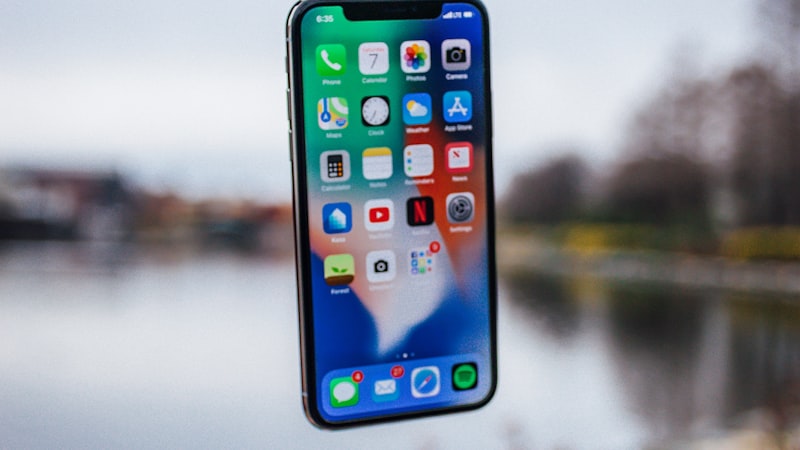
This article delves into the architecture of adornment, examining how the physical form and design principles of various cases interact with and ultimately reshape the iPhone experience. We move beyond materials and specific features to consider the fundamental design dialogue between Apple's creation and the accessory industry's interpretations.
The iPhone's Foundational Form: A Canvas for Cases
Apple's recent iPhone designs, particularly from the iPhone 12 onwards, have embraced a return to flat edges reminiscent of classic models. This industrial aesthetic, combined with the sophisticated Ceramic Shield display and the distinct camera bump, creates a recognizable and tactilely unique device. The precision of its lines, the subtle curvature where glass meets metal, and the deliberate placement of buttons and ports are all part of a cohesive design language. This foundational form acts as a canvas, upon which case designers layer their own interpretations, either echoing Apple's vision or charting an entirely new ergonomic and visual path.
Case Design Philosophies: Shaping the iPhone Experience
Embracing the Original Line: The Seamless Extension
Many case designs prioritize preserving the iPhone's original silhouette. These cases often feature thin profiles, transparent materials, or meticulously matched contours that hug the device's flat edges. Their primary goal is to add minimal bulk and maintain the iPhone's inherent slimness and sharp lines. The aesthetic here is one of seamless integration; the case almost disappears, allowing the iPhone's design to shine through while offering a baseline of scratch and minor impact protection. Button covers are often flush or subtly raised, ensuring the original tactile feedback is largely preserved. This approach appeals to users who appreciate Apple's design and wish to experience it as unadulterated as possible, yet require practical protection.
The Ergonomic Evolution: Softening the Edges
In contrast, another school of case design consciously departs from Apple's flat-edged aesthetic to prioritize ergonomics. These cases often introduce more rounded edges, textured grips, or subtly sculpted profiles that fill the hand more comfortably than the iPhone's native sharp corners. While they might add a fraction more bulk, the trade-off is often a significantly improved hand-feel, especially during extended use. This design philosophy acknowledges that while Apple's industrial design is visually striking, it may not always be the most comfortable for every user. Such cases aim to provide a more organic, softer touch, effectively reimagining the iPhone's haptics through their form.
Integrated Protection and Utility: The Purposeful Reshape
Beyond aesthetics and basic ergonomics, some cases are designed with a clear focus on enhanced protection or integrated utility. These often feature pronounced raised bezels around the screen and camera module, robust corner reinforcements, or even built-in kickstands. The design of these cases is inherently more assertive, creating a larger overall footprint for the iPhone. Here, the case’s form is dictated by its function: protecting vulnerable areas or adding new capabilities. The challenge for designers is to integrate these protective or utilitarian elements in a way that feels cohesive, rather than simply adding bulky layers. The resulting form factor is a deliberate departure, reshaping the iPhone into a more resilient or versatile tool.
Aesthetic and Functional Considerations
The form factor of a case has direct implications for both visual harmony and practical use. A case that closely follows the iPhone's lines creates a cohesive look, while one that introduces new curves or significant bulk will drastically alter the device's visual presence. The impact on hand feel is immediate: a case with softened edges can make a substantial difference in comfort compared to one that maintains or even exaggerates the iPhone's sharp contours. Furthermore, the thickness and profile of a case can influence how MagSafe accessories sit. While MagSafe functionality is largely unimpeded by most compatible cases, a thicker, more sculptured case might cause MagSafe wallets or chargers to protrude more noticeably, altering the overall aesthetic of the combined setup.
Selecting Your Design Partner
Choosing an iPhone case, therefore, involves more than just selecting a material or a color. It's about consciously deciding how you want your iPhone's inherent design to be presented and experienced. Do you prefer to celebrate Apple's original lines, embrace a softer ergonomic feel, or prioritize robust protection and utility? Each design philosophy offers a different interpretation of the iPhone, transforming it from a bare device into a personalized tool that reflects your priorities in aesthetics, comfort, and durability. Consider how the case's form factor integrates with your daily use, from pocketability to how it feels during extended video calls or gaming sessions.
Conclusion: Beyond Protection, A Design Statement
The myriad of iPhone case designs available today underscores a fundamental truth: the case is an integral part of the iPhone experience. It acts as a primary interface between the user and the device, mediating not just protection but also aesthetics and ergonomics. By understanding the different design philosophies at play – from those that seamlessly extend Apple's vision to those that boldly reshape it for comfort or utility – users can make a more informed choice. Ultimately, your iPhone case is more than just an accessory; it's a deliberate design statement that shapes your daily interaction with one of the most personal pieces of technology you own.