Beyond the Bumper: The Design Science of Rugged iPhone Cases
The Imperative of Protection Meets iPhone's Elegance
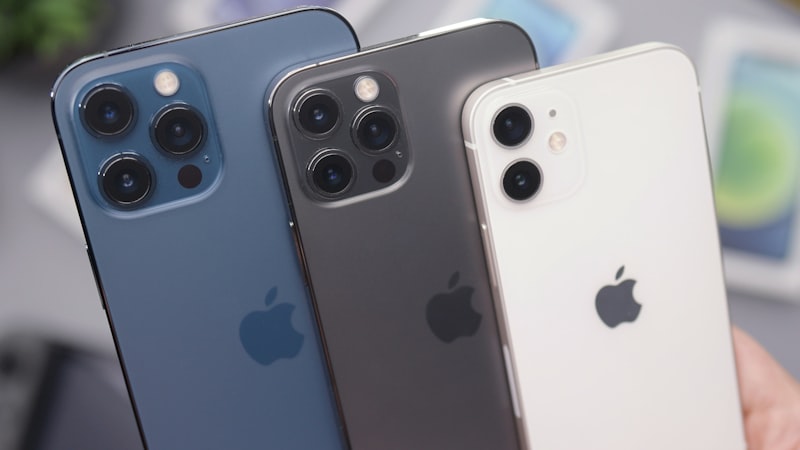
The iPhone has long been celebrated for its sophisticated industrial design: sleek lines, premium materials, and a carefully considered ergonomic profile. Yet, for many users, the daily realities of an active lifestyle or demanding work environment necessitate a level of protection that goes beyond aesthetic appeal. This is where rugged iPhone cases enter the scene, presenting a unique design challenge: how to encase a beautifully crafted device in a shell robust enough to withstand significant drops and impacts, without completely obscuring its identity or rendering it unwieldy. It's a delicate balance, and the engineering behind these resilient accessories is a testament to innovative material science and thoughtful design.
Editor's pick: MagSafe iPhone cases on Amazon → As an Amazon Associate, this site earns from qualifying purchases.
Defining True Ruggedness
What truly differentiates a “rugged” case from a standard protective one? While most cases offer some degree of scratch and minor bump protection, rugged cases are specifically engineered to endure severe drops, often from heights of 10 feet or more, and protect against extreme environmental factors like dust and splashes. This isn't achieved through sheer bulk alone. Instead, it involves a multi-layered approach, typically validated by military-standard drop tests like MIL-STD-810G, which simulates real-world conditions. These cases are designed not just to absorb impact but to dissipate and redirect kinetic energy away from the iPhone's sensitive internal components and its delicate glass surfaces.
The Material Science of Resilience
At the heart of any truly rugged iPhone case is a sophisticated combination of materials, each chosen for its specific properties in mitigating shock and resisting damage.
- Thermoplastic Polyurethane (TPU): Often forming the inner layer, TPU is highly flexible and excels at absorbing and dispersing impact forces. Its rubbery texture also provides excellent grip, reducing the chance of drops in the first place.
- Polycarbonate (PC): This rigid, impact-resistant plastic typically forms the outer shell, providing structural integrity and resistance against punctures and scratches. It can be clear to showcase the iPhone's design or opaque for a distinct aesthetic.
- Synthetic Rubbers and Foams: Specialized high-density foams or synthetic rubber compounds are sometimes integrated into critical areas, such as corners or internal linings, to add an extra layer of cushioning and energy absorption.
The synergy between these materials is crucial. A common design employs a rigid outer shell to protect against abrasions and a softer inner layer to cushion against shock, effectively creating a crumple zone for the iPhone.
Innovative Design for Maximum Protection
Beyond material choice, the physical design of a rugged case incorporates several key features to ensure comprehensive protection:
Reinforced Corners
Corners are the most vulnerable points during a drop. Rugged cases often feature significantly thicker or specially constructed corners, sometimes with air pockets or additional TPU layers, to absorb and distribute impact forces away from the iPhone’s edges and screen.
Raised Bezels and Camera Lips
To protect the iPhone's screen and camera module — both critical and expensive components — rugged cases feature pronounced raised edges around the display and a protective lip around the camera bump. These ensure that if the phone falls flat on its face or back, the glass surfaces do not make direct contact with the ground. As we've explored in our analysis of display technology at iPhone View, even the most rugged cases benefit from a quality screen protector for comprehensive display defense.
Port Covers and Dust Flaps
For environments where dust, dirt, or moisture are concerns, many rugged cases include integrated flaps or covers for the charging port, mute switch, and speaker grilles, preventing ingress without hindering functionality.
Internal Shock-Dissipation Structures
Some advanced rugged cases feature intricate internal patterns, such as honeycomb grids or ribbed structures, designed to create air gaps and channel impact energy throughout the case, further reducing the force transmitted to the iPhone itself.
The Balancing Act: Protection, Ergonomics, and Aesthetics
The primary challenge for designers of rugged cases is to achieve maximum protection without transforming the iPhone into an unwieldy brick. This involves careful consideration of several factors:
- Bulk and Weight: While some added bulk is inevitable, designers work to optimize the thickness and contouring to maintain a manageable form factor that still fits comfortably in the hand and pocket.
- Grip: Textured surfaces, often integrated into the TPU elements, enhance grip, making the phone less likely to slip from the hand. This also contributes to the case's tactile experience.
- MagSafe Integration: With the widespread adoption of MagSafe, rugged cases must be designed to accommodate its magnetic array, ensuring strong attachment for chargers and accessories without compromising protection. This often requires precise material thinning or specific cutouts in the rear panel.
- Visual Design: While function is paramount, many rugged cases also aim for a distinct aesthetic. This can range from minimalist designs that subtly enhance the iPhone's lines to more industrial, overt protective styles. Transparent back panels are common, allowing the iPhone's original color and Apple logo to show through, blending protection with personal preference.
Choosing Your Resilient Companion
When selecting a rugged iPhone case, consider not only the advertised drop rating but also the materials used, the design of critical protective features like reinforced corners and raised bezels, and how well it integrates with your daily use, including MagSafe accessories. A truly well-designed rugged case offers peace of mind, knowing your iPhone is shielded from life's unexpected tumbles, all while maintaining a functional and, ideally, aesthetically pleasing profile.
Conclusion
Rugged iPhone cases are more than just thick shells; they are products of sophisticated engineering and design, meticulously crafted to serve a critical purpose. By intelligently combining advanced materials with innovative structural elements, these cases offer a robust shield against the harshest impacts, ensuring the iPhone's longevity without completely sacrificing the elegance and usability that define Apple's flagship device. They represent a compelling solution for users who demand the ultimate in protection, a testament to how accessory design can enhance and safeguard the core mobile experience.