Beyond the Basics: Exploring Aramid Fiber and Polycarbonate iPhone Cases
The Evolution of iPhone Case Materials
The iPhone, a device celebrated for its industrial design, often finds itself encased in protective covers. While options like silicone, leather, and clear TPU remain perennial favorites, a discerning segment of users seeks advanced materials that offer a unique blend of robust protection and minimalist aesthetics. Among these, aramid fiber and polycarbonate have emerged as prominent contenders, redefining what a premium iPhone case can be.
Editor's pick: MagSafe iPhone cases on Amazon → As an Amazon Associate, this site earns from qualifying purchases.
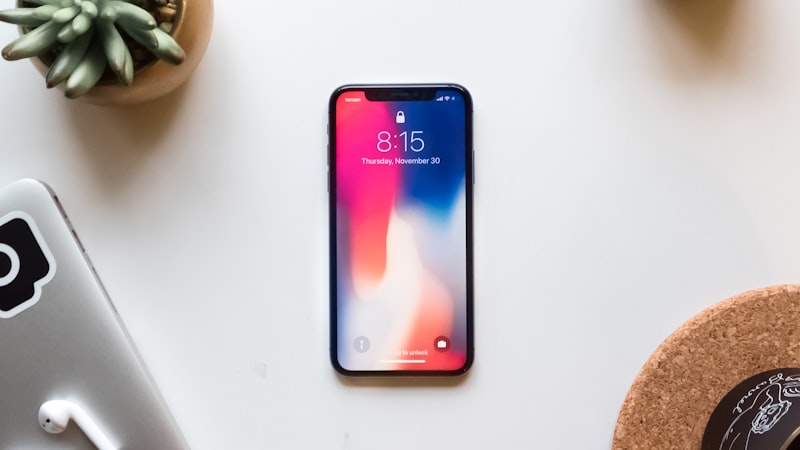
Aramid Fiber: Lightweight Strength, Distinctive Aesthetics
Aramid fiber, often mistakenly referred to as "carbon fiber" by the general public due to its similar appearance, is a synthetic material renowned for its exceptional strength-to-weight ratio. It's the same class of material used in aerospace, military body armor, and high-performance sports equipment. For iPhone cases, aramid fiber is typically woven into a fine textile, resulting in a distinct, subtle pattern that is both visually appealing and tactile.
- Unmatched Thinness and Lightness: Aramid fiber cases are incredibly thin and light, often adding mere millimeters and grams to the iPhone's profile. This allows the original design language of the iPhone to shine through, maintaining its ergonomic feel without unnecessary bulk.
- High Durability: Despite their slender profile, aramid fiber cases offer significant scratch and impact resistance. The material itself is inherently tough, providing a rigid shell that can absorb minor drops and prevent surface damage.
- Elegant Texture: The woven nature of aramid fiber provides a unique, non-slip texture that enhances grip. It avoids the sometimes-sticky feel of silicone or the wear patterns of leather, offering a consistent, premium sensation in hand.
- Radio Transparency: Unlike some metals, aramid fiber does not interfere with wireless signals, ensuring optimal Wi-Fi, cellular, and MagSafe performance. This is crucial for seamless daily use and accessory integration.
These cases appeal to users who prioritize a sleek, almost "naked" iPhone experience but demand robust protection against everyday wear and tear. The material’s inherent properties make it a natural fit for those who appreciate understated luxury and engineering precision.
Polycarbonate: Versatile Toughness, Design Flexibility
Polycarbonate is a thermoplastic polymer known for its outstanding toughness, rigidity, and optical clarity. It's a highly versatile material, often found in riot shields, eyeglass lenses, and automotive components. In the realm of iPhone cases, polycarbonate serves multiple roles, from forming the backbone of hard-shell cases to providing rigid support in hybrid designs.
- Exceptional Impact Resistance: Polycarbonate is highly resistant to impact, making it an excellent choice for cases designed to protect against drops. It can absorb and distribute kinetic energy, safeguarding the iPhone's delicate internal components and external finishes.
- Design Versatility: Unlike aramid fiber, which has a distinct visual signature, polycarbonate can be molded into various shapes, thicknesses, and finishes. It can be transparent, allowing the iPhone's original color to show through, or opaque, dyed in an extensive range of colors and textures. This makes it ideal for designers looking to create specific aesthetic statements.
- Scratch Resistance (with coatings): While naturally tough, polycarbonate surfaces can be prone to scratching. Manufacturers often apply hard coatings to enhance scratch resistance, particularly for clear polycarbonate cases, ensuring long-term aesthetic appeal.
- Foundation for Hybrid Cases: Many of the most protective iPhone cases are "hybrid" designs, combining a rigid polycarbonate backplate with a softer, shock-absorbing TPU bumper. This combination leverages the strengths of both materials: polycarbonate for impact distribution and TPU for edge protection and grip.
Polycarbonate cases cater to a broader audience, from those seeking minimalist transparency to those needing robust, full-coverage protection. Its adaptability allows for innovations in both aesthetics and protective capabilities, making it a staple in the accessory market.
Integrating with iPhone Design and MagSafe
Both aramid fiber and polycarbonate cases are meticulously engineered to integrate seamlessly with the iPhone's design language. They respect the precision of Apple's device, ensuring all ports, buttons, and camera cutouts are perfectly aligned. The increasing importance of MagSafe has also driven innovation in these material categories. Cases crafted from aramid fiber or polycarbonate often feature integrated MagSafe magnet arrays, ensuring robust attachment for chargers, wallets, and other accessories without compromising the case's structural integrity or aesthetic.
The choice of case material is not merely about protection; it's an extension of the iPhone's own design philosophy, balancing form with function. For those keen on extending their iPhone's lifespan, understanding comprehensive protection is key, a theme thoroughly explored in our guides at iPhone Evolve on maximizing device longevity.
Making the Choice
When deciding between aramid fiber and polycarbonate, or even a hybrid of the two, consider your primary needs. If ultimate thinness, lightness, and a distinctive, high-tech aesthetic are paramount, an aramid fiber case might be your ideal choice. If you prioritize maximum impact protection, color versatility, and a robust shell that can also serve as a canvas for design, polycarbonate or a polycarbonate-hybrid case will likely be more suitable.
Ultimately, both materials represent a step beyond conventional case options, offering advanced protection and refined aesthetics for the discerning iPhone user. They embody the principle that protection doesn't have to come at the expense of design, allowing the iPhone's inherent elegance to remain at the forefront.