The iPhone's Evolving Stance: Reassessing Grip and Ergonomics
The iPhone's Evolving Stance: Reassessing Grip and Ergonomics
For years, the iPhone's design has been driven by a pursuit of sleekness and visual appeal. However, as screen sizes have increased and new materials like titanium have been adopted, the question of ergonomics – how the phone feels and functions in the hand – has become increasingly crucial. Apple's recent design choices suggest a renewed focus on grip, comfort, and overall usability, reflecting a shift from prioritizing pure aesthetics to a more holistic design approach.
Editor's pick: MagSafe iPhone cases on Amazon → As an Amazon Associate, this site earns from qualifying purchases.
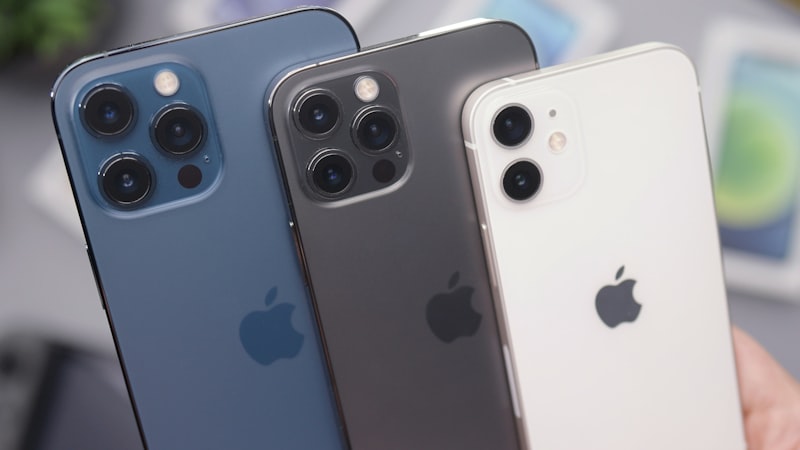
Early iPhones, with their smaller displays and rounded edges, naturally nestled into the hand. The shift to flat edges, beginning with the iPhone 12, while visually striking, arguably compromised the ergonomic experience. The sharper edges, especially on larger models, could become uncomfortable during prolonged use. This spurred debate among users, with some preferring the modern aesthetic while others longed for the more forgiving curves of previous generations.
Now, signs point towards Apple actively addressing these concerns. Recent patents hint at subtly contoured backs and refined edge profiles designed to improve grip without sacrificing the flat-edge aesthetic. One patent, for instance, describes a process for subtly rounding the edges on the back of the device, creating a more comfortable transition between the flat side and the curved palm. Another explores the use of textured surfaces on the frame, potentially incorporating micro-grooves or strategically placed rubberized elements to enhance grip without significantly altering the overall look. These textures could also be integrated with the antennas themselves, building on the silent revolution in antenna design we've documented previously.
The choice of materials also plays a significant role. While titanium, as explored in our previous analysis of the iPhone's material evolution, offers exceptional strength and a premium feel, it can also be perceived as less grippy than aluminum. Apple appears to be experimenting with surface treatments and coatings for titanium to mitigate this issue. Supply chain reports suggest that Apple is exploring advanced etching techniques to create a subtle texture on the titanium frame, improving grip without compromising the material's aesthetic appeal.
Furthermore, the increasing prevalence of larger displays necessitates a re-evaluation of one-handed usability. Apple's software features, such as Reachability, have attempted to address this, but a more fundamental solution lies in the phone's physical design. Future iPhones may incorporate features that dynamically adjust the phone's center of gravity, making it easier to hold and operate with one hand. This could involve internal weight distribution mechanisms or even subtle changes to the phone's overall shape. The development of foldable iPhones, which we cover extensively at iPhone Open (https://iphoneopen.com), may also offer solutions to the ergonomic challenges of large-screen devices, providing a compact form factor when needed and a larger display when desired.
The evolution of display technology, as we explored in our analysis of display technology at iPhone View (https://iphoneview.com), also impacts ergonomic considerations. With the continued refinement of microLED and other advanced display technologies, Apple may be able to further reduce bezel sizes, allowing for larger displays in more compact form factors. This would help maintain a comfortable grip while offering an immersive viewing experience.
Ultimately, the iPhone's future design will likely involve a delicate balance between aesthetics, functionality, and ergonomics. Apple's recent efforts to address grip and comfort indicate a growing awareness of these factors. By combining innovative materials, refined edge profiles, and intelligent software features, Apple aims to create an iPhone that not only looks stunning but also feels natural and intuitive in the hand.
Questions readers ask
What would convince a sceptical reviewer that iphones evolving stance grip is worth it?
Hands-on time is the only honest test. A reviewer's first hour with the device tells them whether iphones evolving stance grip is solving a real problem they had, or a feature looking for a use case. The reviews following launch will be the verdict.
Will iphones evolving stance grip replace the current model or sit alongside it?
The likeliest path is co-existence — a new variant alongside the existing lineup, not a replacement. Apple's segmentation playbook keeps the older model around at a lower price for at least one cycle to absorb the gap.
How does iphones evolving stance grip stack up against what Samsung or Google already ship?
Android OEMs reached this corner of the market first, but they did so with looser tolerances on durability and software polish. Apple's bet is that arriving second with a tighter integration story wins more buyers than arriving first.
Have patents or job listings hinted at iphones evolving stance grip?
Yes — recent USPTO filings reference adjacent mechanisms, and Apple has been quietly posting roles in the relevant hardware and software teams. None of that guarantees a ship date, but it confirms the project is actively staffed.
In short — what's the takeaway on more from iphone arc?
It comes back to whether Apple can ship iphones evolving stance grip without compromising the parts of the iPhone people already pay for. The detail in this section is where that case is made or broken.