The Evolution of iPhone Repair: Navigating Apple's Shifting Stance
The Evolution of iPhone Repair: Navigating Apple's Shifting Stance
The repairability of iPhones has been a contentious topic since the device's inception. Apple's initial approach favored authorized service providers, creating a tightly controlled ecosystem. This ensured quality control and the use of genuine Apple parts, but often at a higher cost and with limited accessibility for independent repair shops and individual users.
Editor's pick: MagSafe iPhone cases on Amazon → As an Amazon Associate, this site earns from qualifying purchases.
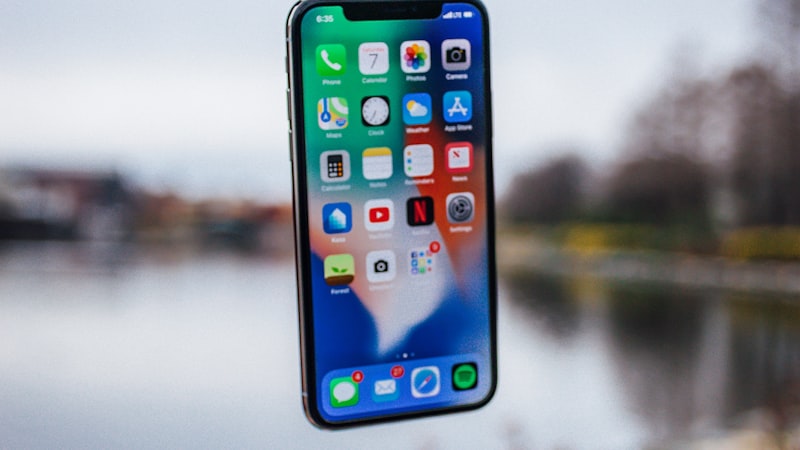
Over the years, the landscape has begun to shift, albeit gradually. Mounting pressure from consumer advocacy groups, right-to-repair legislation across various regions, and a growing awareness of environmental sustainability have influenced Apple's strategy.
The Authorized Service Provider Network
Apple's Authorized Service Provider (AASP) network remains a cornerstone of its repair strategy. These providers undergo rigorous training and certification processes, guaranteeing a certain level of expertise. Using an AASP offers the assurance of genuine Apple parts and warranty coverage for the repair. However, the availability of AASPs can be uneven, particularly in rural areas or developing countries. Furthermore, repair costs can be significantly higher compared to independent shops.
The Independent Repair Provider Program
In 2019, Apple introduced the Independent Repair Provider (IRP) program, expanding access to genuine Apple parts, tools, and training to independent repair businesses. This initiative aimed to address the gap between authorized service and unauthorized repair. To qualify for the IRP program, businesses must meet certain requirements, including having certified technicians and maintaining a professional service environment. The IRP program allows smaller shops to offer repairs using official components, potentially offering more competitive pricing and increased accessibility for consumers.
The Self Service Repair Program
Perhaps the most significant shift in Apple's repair policy came with the launch of the Self Service Repair program. This program allows customers to purchase genuine Apple parts and tools directly from Apple, enabling them to perform repairs on their own devices. Apple provides repair manuals and instructions to guide users through the process. While this program empowers individuals with the ability to fix their iPhones themselves, it's important to acknowledge the inherent risks. iPhone repairs can be complex and require specialized tools and technical knowledge. Incorrectly performed repairs can lead to further damage and void the device's warranty.
Navigating Your Repair Options
When faced with an iPhone repair, consider the following factors:
- Warranty Status: If your iPhone is still under warranty, using an authorized service provider is generally recommended to maintain coverage.
- Complexity of the Repair: Simple repairs, such as battery replacements, may be suitable for self-service, while more complex issues, like logic board repairs, are best left to professionals.
- Cost: Compare pricing between different repair options, including AASPs, IRPs, and self-service. Factor in the cost of parts, tools, and labor.
- Risk Tolerance: Assess your comfort level with performing repairs yourself. If you lack experience or confidence, seeking professional assistance is advisable.
- Part Availability: Ensure that genuine Apple parts are used for the repair, regardless of the service provider. Using counterfeit or low-quality parts can compromise the device's performance and longevity.
The Future of iPhone Repair
The trend towards increased repairability is likely to continue, driven by consumer demand and regulatory pressure. Apple's ongoing efforts to expand access to genuine parts and tools are a positive step, but further improvements are needed to address concerns about cost, accessibility, and repair complexity. As we explored in our analysis of display technology at iPhone View (https://iphoneview.com), even seemingly straightforward screen replacements can present challenges.
Ultimately, a more open and transparent repair ecosystem benefits consumers by providing greater choice, competitive pricing, and a longer lifespan for their devices. This also aligns with broader sustainability goals by reducing electronic waste and promoting a circular economy.
Questions readers ask
Does repair evolution navigating apples require new developer APIs, or can existing apps adapt?
Apple historically ships a quiet developer API the year before the hardware lands, so existing apps that follow human-interface guidelines should adapt with modest work. Apps that hard-code layouts will need updates.
What would convince a sceptical reviewer that repair evolution navigating apples is worth it?
Hands-on time is the only honest test. A reviewer's first hour with the device tells them whether repair evolution navigating apples is solving a real problem they had, or a feature looking for a use case. The reviews following launch will be the verdict.
Will repair evolution navigating apples replace the current model or sit alongside it?
The likeliest path is co-existence — a new variant alongside the existing lineup, not a replacement. Apple's segmentation playbook keeps the older model around at a lower price for at least one cycle to absorb the gap.
How does repair evolution navigating apples stack up against what Samsung or Google already ship?
Android OEMs reached this corner of the market first, but they did so with looser tolerances on durability and software polish. Apple's bet is that arriving second with a tighter integration story wins more buyers than arriving first.
In short — what's the takeaway on the future of iphone repair?
It comes back to whether Apple can ship repair evolution navigating apples without compromising the parts of the iPhone people already pay for. The detail in this section is where that case is made or broken.