The Invisible iPhone: Apple's Pursuit of Seamless Integration
The Invisible iPhone: Apple's Pursuit of Seamless Integration
For years, Apple has been pushing the boundaries of industrial design, constantly refining the iPhone's form factor. While previous iterations have focused on material choices, structural integrity, and user experience, a new trend is emerging: the pursuit of an 'invisible' iPhone – a device so seamlessly integrated into its surroundings that it almost disappears.
Editor's pick: MagSafe iPhone cases on Amazon → As an Amazon Associate, this site earns from qualifying purchases.
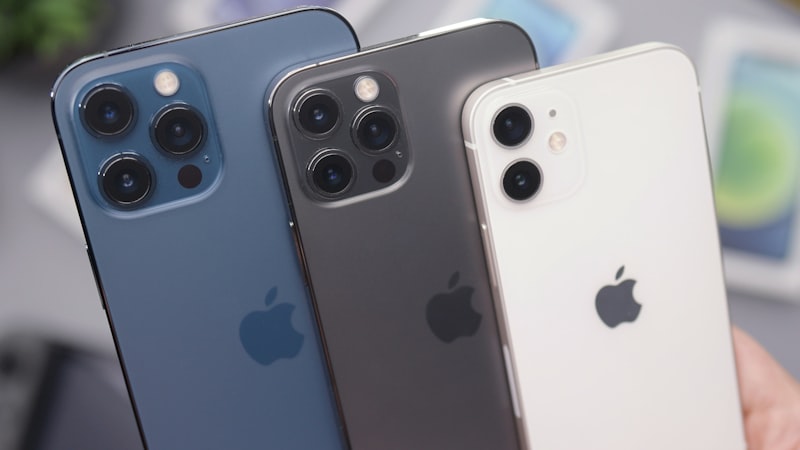
This 'invisibility' isn't about physical cloaking, but rather a holistic approach encompassing hardware, software, and user interaction. It's about minimizing the device's intrusiveness, maximizing its utility, and creating a more natural and intuitive user experience. Consider the gradual reduction of bezels over the years, a clear indicator of Apple's desire to minimize the physical footprint and maximize the display area. As we explored in our analysis of display technology at iPhone View, the evolution of display technology, particularly advancements in micro-LED and under-panel cameras, is crucial to achieving this 'invisible' aesthetic.
The Hardware Perspective
Apple's material choices are also playing a vital role. The shift towards recycled materials and bio-based plastics, while driven by sustainability concerns, also contributes to a more natural and less artificial feel. Imagine an iPhone crafted from a material that mimics the texture and warmth of natural stone or wood. This would not only be visually appealing but also more comfortable to hold and less prone to scratches and fingerprints. Patents have surfaced detailing research into novel composite materials and surface treatments aimed at achieving such effects. The long-rumoured integration of ambient light sensors capable of dynamically adjusting the device's colour temperature to match its surroundings further contributes to this seamless integration.
Beyond materials, the physical form itself is evolving. While rumours of foldable iPhones persist (as covered by our sister site iPhone Open), another, perhaps more subtle, trend is the refinement of edges and curves. The goal is to create a device that feels like a natural extension of the hand, devoid of sharp edges or uncomfortable protrusions. This necessitates advanced manufacturing techniques and a deep understanding of ergonomics.
Software and User Interaction
The 'invisible' iPhone extends beyond the physical realm. Apple is also focused on creating a more intuitive and less intrusive software experience. The constant evolution of iOS is a testament to this, with features like contextual awareness and proactive suggestions designed to anticipate user needs and minimize the need for direct interaction. Imagine an iPhone that automatically adjusts its settings based on your location, activity, and even your mood. This level of personalization would require sophisticated machine learning algorithms and a deep understanding of user behavior.
Augmented reality (AR) also plays a significant role. By seamlessly overlaying digital information onto the real world, AR can transform the iPhone from a self-contained device into a portal to a richer and more interactive environment. This blurring of the lines between the physical and digital worlds is a key aspect of the 'invisible' iPhone vision.
The Challenges Ahead
Achieving true 'invisibility' presents several challenges. Battery life remains a persistent concern, particularly as devices become thinner and more power-hungry. Thermal management is another critical area, as advanced processors and displays generate significant heat. Overcoming these challenges will require continued innovation in battery technology, cooling solutions, and power management algorithms. Furthermore, the integration of more sophisticated sensors and antennas will necessitate clever engineering to avoid compromising the device's aesthetic appeal and structural integrity.
A Glimpse into the Future
The 'invisible' iPhone is not merely a design fad; it's a long-term vision that reflects Apple's commitment to creating technology that seamlessly integrates into our lives. While the path to complete 'invisibility' may be long and arduous, the progress made so far is undeniable. As technology continues to evolve, we can expect to see further refinements in hardware, software, and user interaction, bringing us closer to a future where the iPhone truly disappears into the background, enriching our lives without ever demanding our attention.