The iPhone's Evolving Edge: From Chamfer to Curve and Beyond
The iPhone's Evolving Edge: From Chamfer to Curve and Beyond
The iPhone's industrial design is often discussed in terms of its overall form factor, materials, and finish. However, a closer examination of the device's edge reveals a subtle yet significant evolution. The edge, where the display glass meets the enclosure, has undergone several transformations, each reflecting shifts in design philosophy and manufacturing capabilities. This article examines the history of the iPhone's edge design, its implications, and what the future may hold.
Editor's pick: MagSafe iPhone cases on Amazon → As an Amazon Associate, this site earns from qualifying purchases.
The Chamfered Era: Precision and Perceived Sharpness
The iPhone 4 marked a turning point with its flat, industrial design, characterized by a distinct chamfered edge. This angled cut, machined into the stainless steel band, created a sharp visual contrast and a perceived sense of precision. The chamfer served both aesthetic and functional purposes. It protected the glass edges from direct impact, mitigating damage from drops. It also offered a tactile grip point, aiding in handling the device.
The chamfered edge persisted through several generations, becoming a signature element of the iPhone's design language. However, the sharp edges were not without their drawbacks. Some users found them uncomfortable during prolonged use, particularly when holding the phone against the ear during calls. The chamfer was also susceptible to scratches and dings, which were highly visible due to the contrasting materials.
The Rise of the Curve: Ergonomics and Seamlessness
Apple began to soften the iPhone's design with the iPhone 6, introducing rounded edges that blended seamlessly into the curved display glass. This marked a shift towards prioritizing ergonomics and a more comfortable in-hand feel. The curved edges eliminated the sharp pressure points associated with the chamfered design, making the device more pleasant to hold for extended periods.
This design direction also aligned with Apple's pursuit of seamlessness, blurring the boundaries between the display and the enclosure. As explored in our analysis of display technology at iPhone View, the curved glass required advancements in display manufacturing and bonding techniques to achieve a flawless integration. The move to curved edges, while improving ergonomics, presented challenges in terms of drop protection. The exposed glass edges were more vulnerable to damage, necessitating the use of cases for many users.
The Return to Flatness: A Nod to the Past, Embracing the Future
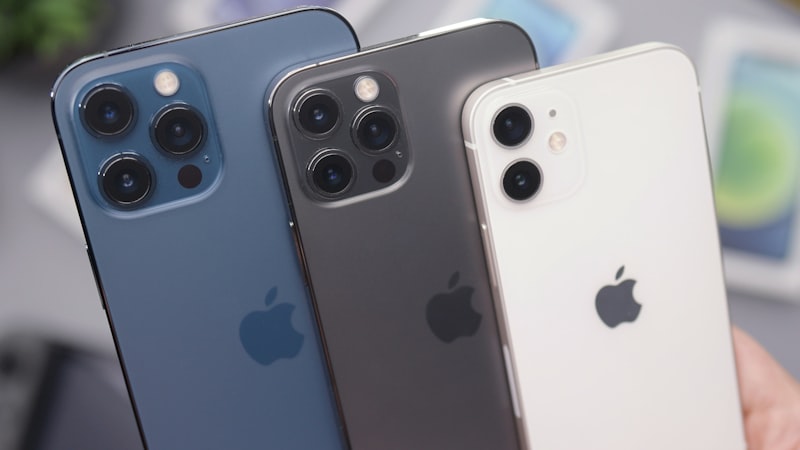
The iPhone 12 saw a return to flat edges, echoing the design language of the iPhone 4 and 5. However, this was not a simple regression. The flat edges were paired with a more robust ceramic shield front cover, offering improved drop performance. The squared-off design provided a more secure grip, addressing some of the concerns associated with the rounded edges of previous generations.
The flat edges also facilitated a more efficient internal layout, maximizing space for components such as the battery and camera system. This design choice reflects a balance between aesthetics, ergonomics, and functionality.
The Future of the iPhone Edge: What's Next?
Looking ahead, several factors could influence the future of the iPhone's edge design. Material science advancements could enable even more durable and scratch-resistant materials, allowing for thinner and more refined edges. As we've covered extensively at iPhone Open, the possibility of foldable iPhones introduces entirely new design considerations. The edges of a foldable device would need to be robust enough to withstand repeated bending and flexing, while also maintaining a slim and elegant profile.
Another potential direction is a further integration of haptic feedback along the edges, creating interactive zones for controlling volume, launching apps, or navigating the user interface. This could be coupled with pressure-sensitive sensors, allowing the iPhone to respond to different levels of grip and touch. Ultimately, the evolution of the iPhone's edge will continue to be driven by a desire to balance aesthetics, ergonomics, durability, and functionality, reflecting Apple's ongoing commitment to innovation and design excellence.
Questions readers ask
What would convince a sceptical reviewer that edge design evolution is worth it?
Hands-on time is the only honest test. A reviewer's first hour with the device tells them whether edge design evolution is solving a real problem they had, or a feature looking for a use case. The reviews following launch will be the verdict.
Will edge design evolution replace the current model or sit alongside it?
The likeliest path is co-existence — a new variant alongside the existing lineup, not a replacement. Apple's segmentation playbook keeps the older model around at a lower price for at least one cycle to absorb the gap.
How does edge design evolution stack up against what Samsung or Google already ship?
Android OEMs reached this corner of the market first, but they did so with looser tolerances on durability and software polish. Apple's bet is that arriving second with a tighter integration story wins more buyers than arriving first.
Have patents or job listings hinted at edge design evolution?
Yes — recent USPTO filings reference adjacent mechanisms, and Apple has been quietly posting roles in the relevant hardware and software teams. None of that guarantees a ship date, but it confirms the project is actively staffed.
In short — what's the takeaway on more from iphone arc?
It comes back to whether Apple can ship edge design evolution without compromising the parts of the iPhone people already pay for. The detail in this section is where that case is made or broken.