The Architectural Imperative: How iPhone Design Dictates Case Compatibility and User Experience
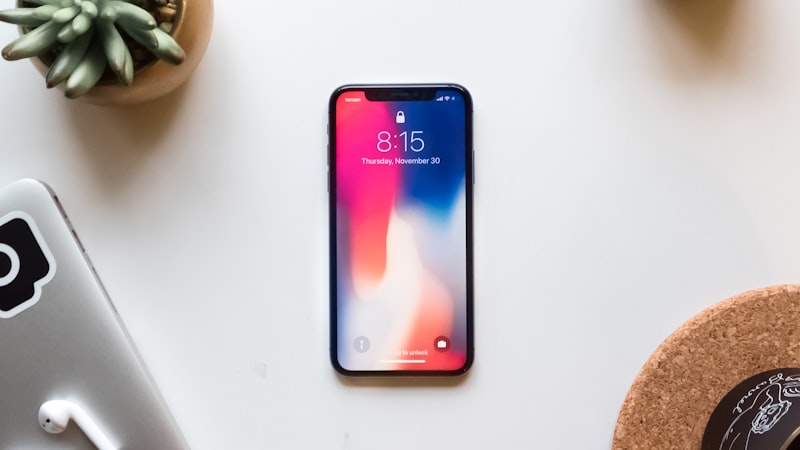
The iPhone has undergone a remarkable design evolution since its inception, continually refining its form, materials, and interactive elements. For owners, this journey isn't just about the phone itself; it profoundly impacts the world of accessories, particularly cases. Far from being mere aesthetic choices, iPhone cases must adapt to the precise architectural changes of each generation, dictating not only compatibility but also the very functionality and user experience.
Editor's pick: MagSafe iPhone cases on Amazon → As an Amazon Associate, this site earns from qualifying purchases.
The Unmistakable Camera Module: A Case Design Catalyst
Perhaps no single iPhone design element has exerted as much influence on case design as the camera module. What began as a relatively flush component has evolved into a sophisticated, multi-lens system housed within an increasingly prominent bump. This progression, particularly evident in the Pro series, presents a significant challenge and opportunity for case manufacturers.
A well-designed case must offer robust protection for these delicate lenses without impeding their optical performance. This requires precise cutouts and often a raised lip around the camera array, ensuring that when the phone is placed on a flat surface, the lenses do not make direct contact. The aesthetic integration of this protective element varies wildly, from minimalist designs that barely acknowledge the bump to more rugged cases that incorporate it into an overall armored look. The precision required means that a case designed for an iPhone 14 Pro, with its specific camera layout, will simply not fit an iPhone 15 Pro, highlighting the generational specificity demanded by Apple's continuous refinement of its photographic hardware.
New Interactions: The Action Button and Dynamic Island
The introduction of new interactive elements on the iPhone has further complicated case design, demanding innovative solutions. The Action Button, replacing the traditional mute switch on some Pro models, is a prime example. Cases must either provide a tactile button cover that retains the customizability of the Action Button or feature a precisely chamfered cutout that allows for comfortable and reliable access. The choice between these two approaches significantly impacts the tactile feedback and overall user experience.
Similarly, while the Dynamic Island is a software-driven UI element, its physical manifestation at the top of the display influences the perceived bezel and screen-to-edge ratio. While cases generally do not cover this area, their front lip design must be carefully considered to avoid obstructing the edge of the display or interfering with swipe gestures that originate near the Dynamic Island. The goal is seamless interaction, which a poorly designed case can easily compromise.
Edge Evolution and Grip Dynamics
The iPhone's edge design has seen several significant shifts, from the rounded edges of earlier generations to the flat, industrial aesthetic of more recent models, and the subtle contours introduced with the titanium frames. Each iteration presents different challenges for case manufacturers regarding grip, protection, and overall feel.
Flat-edged iPhones, while offering a distinct visual appeal, can sometimes feel sharper in the hand. Cases for these models often aim to soften the edges, providing a more ergonomic grip while still maintaining corner protection. The shift to lighter, more durable materials like titanium in the iPhone 15 Pro also influences case design, as manufacturers seek to complement or enhance the device's inherent premium feel without adding unnecessary bulk. The goal is to ensure a secure hold and mitigate damage from drops, which often occur on the corners or edges of the device.
The Enduring Need for Port Precision
The transition from Lightning to USB-C across the iPhone lineup marked a significant change in connectivity. For cases, this means updated and precisely cut port openings. A poorly aligned or undersized port cutout can prevent cables from fully seating, hindering charging or data transfer. Conversely, an oversized cutout can leave the port vulnerable to dust and damage. The meticulous engineering of iPhone ports requires equally meticulous case design to ensure full functionality without compromise.
MagSafe Integration: Beyond the Magnets
While MagSafe accessories and cases have been extensively explored, the iPhone's internal MagSafe componentry itself dictates specific case design parameters. The embedded magnet array and charging coil require cases to be of a certain thinness and material composition to allow for optimal magnetic attachment and wireless charging efficiency. Thick cases or those made of materials that interfere with magnetic fields can degrade the MagSafe experience, leading to weaker attachments or slower charging. Case manufacturers must balance protection with the need to maintain seamless integration with the MagSafe ecosystem.
Conclusion
The continuous evolution of iPhone design is a testament to Apple's commitment to refinement and innovation. However, this journey also places a constant demand on the accessory market. For the discerning iPhone owner, choosing a case is no longer a superficial decision. It's an informed act, recognizing that the best cases are those that intelligently respond to the iPhone's architectural imperatives, ensuring both robust protection and an uncompromised user experience in a constantly evolving technological landscape.