The Interplay of iPhone Camera Design and Protective Case Aesthetics
The iPhone's camera system has consistently set benchmarks in mobile photography. As Apple integrates larger sensors, advanced optical image stabilization, and sophisticated lens arrays, the physical manifestation of this progress—the camera bump—has grown increasingly prominent. This evolution isn't just an internal engineering feat; it profoundly shapes the external design of the iPhone and, by extension, the entire ecosystem of protective cases and accessories. For users, understanding this interplay is crucial when selecting a case that balances protection with aesthetic appeal.
Editor's pick: MagSafe iPhone cases on Amazon → As an Amazon Associate, this site earns from qualifying purchases.
The Evolving Camera Module and Case Innovation
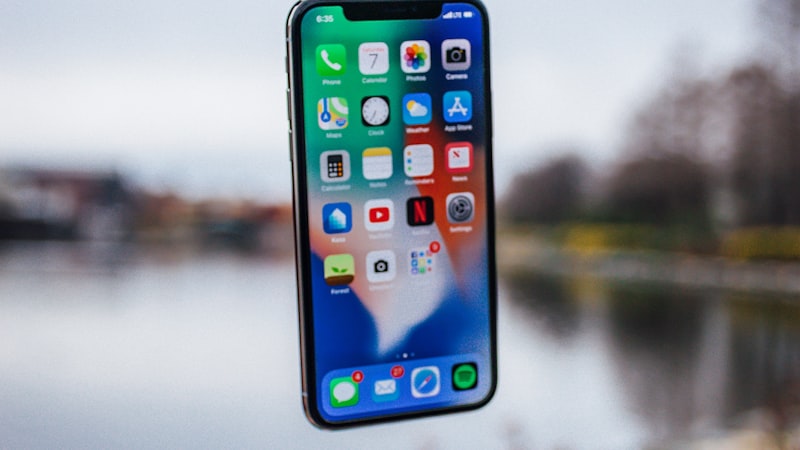
Early iPhone cameras were largely flush with the device's back. However, the pursuit of enhanced photographic capabilities necessitated larger components. The iPhone X introduced a noticeable vertical dual-camera bump, a design that matured into the distinctive square or rectangular array on Pro models from the iPhone 11 onwards. Each successive generation has seen these modules grow in size and thickness, accommodating more complex optics like larger main sensors, ultra-wide lenses, telephoto capabilities, and LiDAR scanners. These engineering realities have transformed the camera bump into a significant design feature that directly influences case manufacturing.
Case designers face the dual challenge of robust protection and integrated aesthetics. The exposed lenses and surrounding elements are vulnerable to scratches and impacts. Consequently, quality cases dedicate substantial engineering to safeguarding this area:
- Raised Bezels: Almost all effective cases feature a precisely calibrated raised lip around the camera array. This prevents direct contact between the lenses and flat surfaces, significantly reducing scratch risk.
- Reinforced Cutouts: The openings for individual lenses and flash components are often reinforced, sometimes with a slightly thicker material or a more rigid frame, to prevent damage from pressure or drops.
Aesthetics, Ergonomics, and Material Integration
Beyond functional protection, the camera bump profoundly impacts a case's aesthetic appeal and ergonomic design. Manufacturers employ diverse strategies:
- Visual Integration: Many cases strive to visually diminish the camera bump, making it blend seamlessly into the case's overall design. This can involve gently sloping edges or complementary textures and colors that create a cohesive look.
- Design Accentuation: Conversely, some designers embrace the camera bump as a defining characteristic. They might use contrasting colors, metallic accents, or unique geometric shapes around the array, turning it into a focal point that celebrates the iPhone's photographic prowess.
- Material Response: Different case materials interact distinctly with the camera bump. Leather cases often feature refined stitching or molding, emphasizing craftsmanship. Clear cases highlight the iPhone's native design, while silicone cases typically offer a smooth, integrated contour that flows around the module.
The camera bump also affects the iPhone's stability when placed on a flat surface. A well-engineered case will often compensate for this unevenness, ensuring the device rests without wobbling – a subtle but important ergonomic detail for daily use.
Selecting the Right Case: A Buyer's Checklist
When choosing an iPhone case, the camera bump's design should be a primary consideration:
- Camera Protection: Verify that the case provides ample clearance and reinforcement around the lenses. This is crucial for safeguarding one of the iPhone's most valuable components.
- Aesthetic Harmony: Evaluate how the case integrates or highlights the camera module. Consider if the material and color choices align with your personal style.
- Device Stability: Check if the case prevents the phone from wobbling when laid flat.
- MagSafe Compatibility: For users of MagSafe accessories, the camera bump's size and the case's design around it can influence accessory alignment and magnetic strength. Ensure any MagSafe-compatible case accounts for the camera module’s presence.
As we've explored previously, the evolution of iPhone form factors continually influences accessory compatibility, a principle particularly evident in how cases adapt to prominent features like the camera array. For a deeper dive into iPhone 15 Pro case compatibility and generational design, read more here.
Conclusion
The iPhone's camera module is a testament to Apple's relentless innovation in mobile photography. Its physical growth has, in turn, spurred significant innovation in the case industry. Manufacturers continually adapt, balancing the imperatives of robust protection with sophisticated aesthetics. For consumers, understanding this dynamic empowers them to select a case that not only shields their device effectively but also complements its advanced photographic capabilities, blending both function and style seamlessly.