iPhone's Color Revolution: From Finishes to Functionality
iPhone's Color Revolution: From Finishes to Functionality
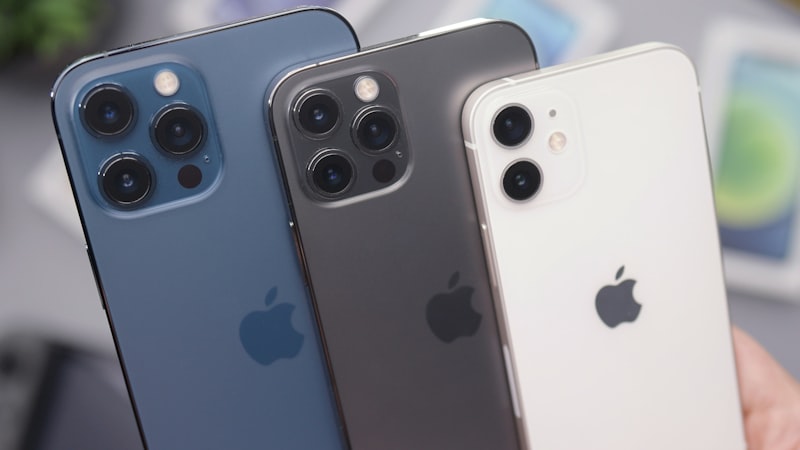
The iPhone's aesthetic journey is often viewed through the lens of form factor, materials, and the gradual elimination of physical elements. However, the evolution of color on the iPhone, while seemingly superficial, reflects deeper trends in Apple's design philosophy and manufacturing prowess. It's no longer just about aesthetics; color is becoming increasingly intertwined with functionality and material science.
Editor's pick: MagSafe iPhone cases on Amazon → As an Amazon Associate, this site earns from qualifying purchases.
Early Days: Anodized Aluminum and the Pursuit of Perfection
The early iPhones, encased in anodized aluminum, offered a limited but carefully curated color palette. The initial focus was on achieving a uniform, durable finish. Color served primarily as a differentiator, allowing users to express a degree of personal preference. Achieving consistent color across large production volumes was a significant engineering challenge, requiring precise control over the anodization process. Slight variations were common, leading to the infamous 'chipgate' and 'scratchgate' controversies, highlighting the challenges of maintaining cosmetic perfection at scale.
Beyond Simple Pigmentation: Material-Driven Color
With the introduction of stainless steel and, more recently, titanium, Apple has moved beyond simple pigment application. The color of the iPhone now often derives directly from the inherent properties of the materials themselves. The natural titanium finish, for example, showcases the raw beauty of the metal, while also offering superior scratch resistance compared to previous anodized finishes. This shift towards material-driven color is not just about aesthetics; it's about durability and longevity. It also reduces the reliance on potentially environmentally harmful dyes and coatings.
The Rise of Functional Color
A recent trend observed across the tech industry, and increasingly hinted at in Apple patents, points towards the integration of color-changing materials into device design. This isn't merely about offering a customizable exterior. Imagine an iPhone whose color shifts to indicate battery level, signal strength, or even the type of notification received. Such functionality could be achieved through the use of electrochromic materials or microfluidic displays embedded within the device's chassis. This would represent a significant departure from the purely aesthetic role of color, transforming it into a valuable source of information.
Supply Chain Implications and Future Trends
The increasing complexity of iPhone coloration has significant implications for Apple's supply chain. Specialized materials, advanced manufacturing processes, and stringent quality control measures are required to achieve the desired results. Reports from industry analysts suggest that Apple is investing heavily in partnerships with material science companies to develop next-generation color technologies. We can expect to see further integration of color into the functionality of the iPhone, with potential applications in augmented reality, health monitoring, and even personalized security features.
The Display's Impact on Perceived Color
Of course, the phone's display has a huge impact on how we percieve color. As we explored in our analysis of display technology at iPhone View, the advancements in OLED screens and ProMotion technology mean colours are more vibrant and accurate than ever before. This heightened colour accuracy has to be accounted for when choosing the chassis colours to ensure the entire aesthetic works together, rather than clashing.
Color as a Branding Tool
Finally, color is an important branding tool. As discussed on our sister site iPhone Evolve, each generation of iPhone introduces slightly new colours, and this helps to visually differentiate each model. This plays a key role in the upgrade cycle, as a new, eye-catching colour option will often be a deciding factor for consumers looking to upgrade.
Conclusion
The evolution of color on the iPhone is a testament to Apple's relentless pursuit of innovation. What began as a simple aesthetic choice has evolved into a complex interplay of materials, manufacturing processes, and functional considerations. As technology continues to advance, we can expect to see even more sophisticated and innovative uses of color in future iPhone designs.
Questions readers ask
Does color revolution require new developer APIs, or can existing apps adapt?
Apple historically ships a quiet developer API the year before the hardware lands, so existing apps that follow human-interface guidelines should adapt with modest work. Apps that hard-code layouts will need updates.
What would convince a sceptical reviewer that color revolution is worth it?
Hands-on time is the only honest test. A reviewer's first hour with the device tells them whether color revolution is solving a real problem they had, or a feature looking for a use case. The reviews following launch will be the verdict.
Will color revolution replace the current model or sit alongside it?
The likeliest path is co-existence — a new variant alongside the existing lineup, not a replacement. Apple's segmentation playbook keeps the older model around at a lower price for at least one cycle to absorb the gap.
How does color revolution stack up against what Samsung or Google already ship?
Android OEMs reached this corner of the market first, but they did so with looser tolerances on durability and software polish. Apple's bet is that arriving second with a tighter integration story wins more buyers than arriving first.
In short — what's the takeaway on more from iphone arc?
It comes back to whether Apple can ship color revolution without compromising the parts of the iPhone people already pay for. The detail in this section is where that case is made or broken.