The Enduring Appeal of Clear iPhone Cases: Balancing Transparency, Protection, and Longevity
For many iPhone users, the device itself is a meticulously crafted statement of design and engineering. From the precision-machined edges to the carefully chosen color finishes, every detail is intended to be appreciated. This appreciation often leads to a dilemma: how to protect a valuable investment without obscuring its inherent beauty. The clear iPhone case emerges as a popular, often indispensable, solution.
Editor's pick: MagSafe iPhone cases on Amazon → As an Amazon Associate, this site earns from qualifying purchases.
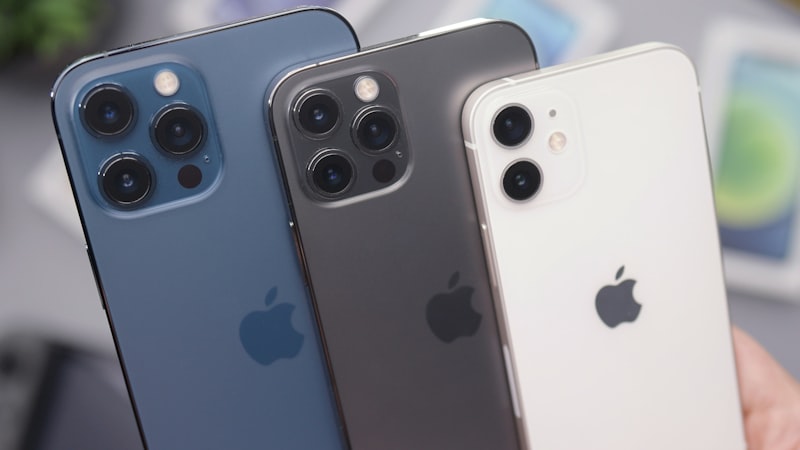
Showcasing Apple's Industrial Design
The primary draw of a clear iPhone case is its ability to offer protection while allowing the iPhone's original aesthetic to shine through. Whether it's the subtle sheen of titanium on a Pro model or the vibrant hues of a standard iPhone, a transparent case ensures that Apple's design choices remain visible. This is particularly relevant given Apple's evolving approach to material palettes and surface finishes, which we have explored in previous articles on iPhone Arc.
A clear case acts as an invisible shield, preserving the visual integrity of the device. It allows users to enjoy their iPhone's chosen color, the iconic Apple logo, and the sophisticated camera module design without compromise. This visual fidelity is a significant factor in its enduring popularity, especially for those who invest in specific iPhone colors or limited editions.
The Material Science of Transparency and Durability
Achieving both clarity and protection in a slim profile requires advanced material science. Clear cases primarily rely on two types of plastics, often in combination:
- Polycarbonate (PC): This is a rigid, hard plastic known for its excellent transparency and scratch resistance. It's often used for the back panel of clear cases due to its ability to maintain optical clarity and resist scuffs from everyday contact. However, polycarbonate can be less flexible and might crack under significant impact.
- Thermoplastic Polyurethane (TPU): TPU is a softer, more flexible material that excels in shock absorption. Its elastic nature makes it ideal for bumpers and edges, providing crucial impact protection. While highly protective, TPU is more susceptible to yellowing over time, a common concern for clear case users.
Many high-quality clear cases employ a hybrid design, combining a rigid polycarbonate back for clarity and scratch resistance with a flexible TPU bumper for superior drop protection. This fusion aims to harness the best properties of both materials, offering a balanced protective solution.
Addressing the Yellowing Conundrum
The most frequent complaint about clear iPhone cases, particularly those made predominantly of TPU, is their tendency to yellow over time. This discoloration is not a defect but a natural chemical reaction. Exposure to ultraviolet (UV) light, body oils, sweat, and even certain cleaning agents can cause the polymers in TPU to degrade and oxidize, leading to a yellowish tint. Heat can accelerate this process.
Manufacturers have invested significantly in combating this issue. Many modern clear cases feature:
- Anti-Yellowing Coatings: Specialized layers applied to the case surface that absorb UV light or prevent chemical reactions.
- UV Stabilizers: Additives mixed into the TPU polymer during manufacturing that resist UV degradation.
- Blue Tinting: Some cases incorporate a subtle blue tint during production, which, when combined with yellowing, helps to create a more neutral, less noticeable discoloration over time.
While these innovations extend the clarity of clear cases, some degree of yellowing is often inevitable over an extended period of use. Regular cleaning with mild soap and water can help remove oils and dirt that contribute to the process, but it won't entirely prevent chemical degradation.
Protection Beyond Aesthetics
Beyond showcasing the iPhone's design, clear cases are engineered to provide robust protection. Modern designs typically include:
- Reinforced Corners: Extra cushioning at the device's most vulnerable points to absorb impact from drops.
- Raised Bezels: A subtle lip around the screen and camera module prevents direct contact with flat surfaces, offering crucial scratch protection when the phone is placed face down or on its back. This complements screen protection solutions, as we've explored in depth at iPhone View.
- Precise Cutouts and Button Covers: Ensuring full access to ports and responsive button operation, often with tactile feedback similar to the device's native buttons.
- MagSafe Compatibility: Many clear cases now integrate MagSafe magnets, allowing for seamless attachment of MagSafe chargers, wallets, and other accessories without needing to remove the case. This is a critical feature for users within Apple's accessory ecosystem.
Maintaining Clarity and Appearance
To prolong the life and aesthetic appeal of a clear case, regular maintenance is key. Besides cleaning to prevent oil and dirt buildup, users should be mindful of where they place their device, avoiding prolonged exposure to direct sunlight or extreme heat. Over time, even the most advanced clear cases will show signs of wear, whether it's minor scratches on the polycarbonate back or the subtle yellowing of the TPU bumper. Replacing a clear case every 6-12 months, depending on usage and material quality, can help maintain optimal transparency and protection.
Conclusion
Clear iPhone cases offer a compelling balance of aesthetic preservation and practical protection. By understanding the materials involved, the challenges of maintaining transparency, and the protective features they offer, users can make informed choices to keep their iPhone both safe and visually stunning. As Apple continues to refine its iPhone designs, the role of the clear case in celebrating and safeguarding those designs remains as vital as ever.