iPhone's Evolving Approach to External Fasteners: Screws, Adhesives, and the Quest for Repairability
The Unsung Heroes of iPhone Assembly
While much attention is given to the iPhone's sleek lines and innovative materials, the humble external fastener plays a crucial, often overlooked, role in its design and lifecycle. From the readily accessible pentalobe screws at the base to the sophisticated adhesives that secure the display, Apple's approach to these elements has evolved significantly, reflecting a shifting balance between aesthetics, structural integrity, and repairability.
Editor's pick: MagSafe iPhone cases on Amazon → As an Amazon Associate, this site earns from qualifying purchases.
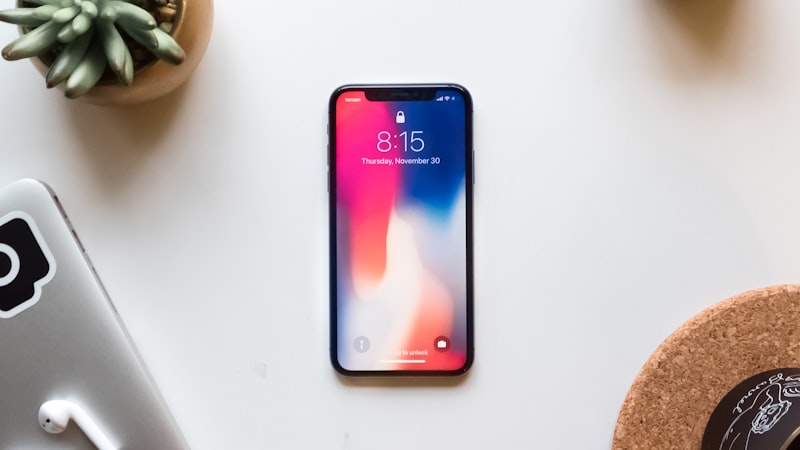
The Pentalobe Era: Security and Secrecy
The introduction of the pentalobe screw with the iPhone 4 marked a significant departure from the industry standard Phillips-head screw. Initially, the move was largely interpreted as a security measure, making it more difficult for unauthorized users to disassemble the device. This created a walled garden effect, steering repairs towards Apple's authorized service providers. While the pentalobe screw provided a degree of protection against casual tampering, its primary function was arguably to control the repair ecosystem.
Adhesive: The Invisible Fastener
Alongside screws, adhesives have become increasingly prevalent in iPhone construction. Adhesives offer several advantages, including creating a seamless aesthetic, enhancing water resistance, and distributing stress more evenly across surfaces. However, their use also presents challenges for repairability. Removing components secured with strong adhesive often requires specialized tools, heat, and considerable skill. The display, in particular, relies heavily on adhesive, making screen replacements a potentially complex and costly procedure.
The Repairability Debate: Balancing Act
Apple's approach to repairability has been a subject of ongoing debate. While the company has historically prioritized device aesthetics and structural integrity, there has been a growing push for greater repairability, driven by consumer demand, environmental concerns, and regulatory pressures. Recent iPhones have shown some concessions towards repairability, such as easier access to certain components and the availability of genuine Apple parts and tools to independent repair shops. However, the use of adhesive remains a significant obstacle for DIY repairs.
Impact on the User Experience
The choice of external fasteners directly impacts the user experience in several ways. Easily accessible screws can simplify battery replacements or other minor repairs, extending the lifespan of the device. Conversely, extensive use of adhesive can make repairs more challenging and expensive, potentially leading to premature device obsolescence. Users should carefully consider these factors when evaluating the long-term cost of ownership and the potential for future repairs.
The Future of Fastening
Looking ahead, Apple's approach to external fasteners is likely to continue to evolve. We may see a greater emphasis on modular design, which would allow for easier replacement of individual components. New adhesive technologies could offer a better balance between strength and removability. Furthermore, advancements in disassembly tools and techniques could make repairs more accessible to a wider range of users. The increasing focus on environmental sustainability and the right to repair will undoubtedly play a crucial role in shaping Apple's future design decisions.
Ultimately, the humble external fastener is a key element in the iPhone's design, influencing its durability, repairability, and overall user experience. As Apple continues to innovate, finding the optimal balance between aesthetics, functionality, and repairability will be crucial for meeting the evolving needs of its customers.
Questions readers ask
Where is Apple's supply chain on iphones evolving approach external right now?
Reports out of Asia consistently cite a handful of suppliers competing on the relevant component, with Apple splitting orders rather than single-sourcing. That hedging pattern tends to mean a real product is being prepared, not just an R&D exploration.
Is iphones evolving approach external realistic for the next iPhone, or further out?
Most signals point to a later cycle rather than imminent release. Component lead times for iphones evolving approach external suggest Apple is still validating the supply side, and the company tends to wait until yields hit production targets before committing on stage.
What's the biggest tradeoff Apple has to swallow for iphones evolving approach external?
Every Apple decision is a tradeoff, and the obvious one here is internal volume. Adding iphones evolving approach external costs millimetres somewhere — usually battery capacity or camera module depth — and Apple has to decide which line item to trim.
What does iphones evolving approach external actually cost — in price, weight, or battery?
Expect a premium of roughly $200–300 over the standard model, plus a small weight penalty. Battery life is the bigger variable — early prototypes typically trade an hour or two of screen-on time for the new capability, then claw it back over a generation.
In short — what's the takeaway on more from iphone arc?
It comes back to whether Apple can ship iphones evolving approach external without compromising the parts of the iPhone people already pay for. The detail in this section is where that case is made or broken.