The iPhone's Evolving Approach to Component Sourcing: Balancing Performance, Cost, and Geopolitics
The iPhone's Evolving Approach to Component Sourcing: Balancing Performance, Cost, and Geopolitics
The iPhone's design and functionality are often the focus of analysis, but the intricate web of component sourcing behind its creation is equally critical to its success. Apple's approach to sourcing components for the iPhone has evolved significantly over the years, driven by a complex interplay of factors including performance demands, cost optimization, geopolitical considerations, and the ever-present need for supply chain resilience.
Editor's pick: MagSafe iPhone cases on Amazon → As an Amazon Associate, this site earns from qualifying purchases.
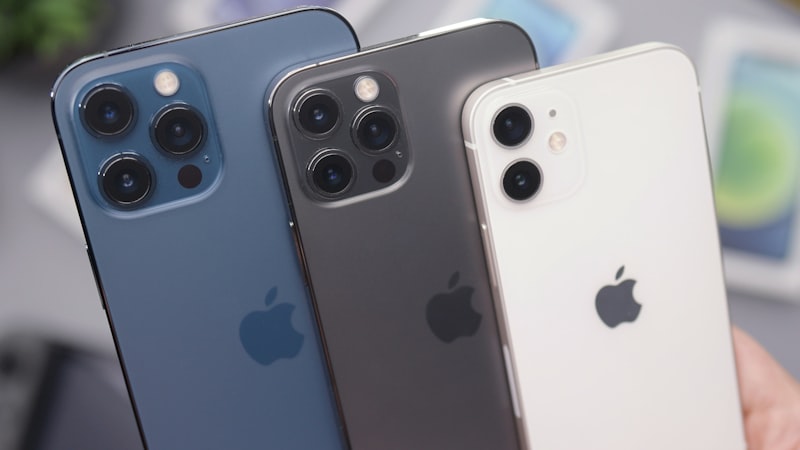
In the early days of the iPhone, Apple relied heavily on established players like Samsung for key components such as displays and memory. This was driven by Samsung's then-dominant position in OLED technology and its ability to meet Apple's stringent quality and volume requirements. However, Apple has strategically diversified its supplier base over time to reduce its dependence on any single vendor, mitigating risks associated with pricing fluctuations, supply chain disruptions, and potential competitive conflicts.
This diversification strategy is particularly evident in the display market. While Samsung Display remains a major supplier of OLED panels for high-end iPhone models, Apple has also cultivated relationships with LG Display and BOE. This multi-sourcing approach allows Apple to negotiate more favorable terms and ensures a more stable supply of critical components. As we explored in our analysis of display technology at iPhone View, this competition has also driven innovation in OLED technology, benefiting consumers with improved display quality and efficiency.
Beyond displays, Apple's sourcing strategy extends to other key components such as processors, memory, cameras, and connectivity modules. The company has increasingly relied on in-house silicon design, exemplified by the A-series and M-series chips. While Apple outsources manufacturing to companies like TSMC, the core design and architecture are controlled by Apple, giving them a significant competitive advantage in performance and power efficiency. This vertical integration allows Apple to optimize hardware and software in a way that is difficult for competitors to match.
However, even with in-house silicon, Apple remains reliant on external suppliers for various components. Memory chips, for example, are sourced from multiple vendors including Samsung, SK Hynix, and Micron. Camera sensors are primarily supplied by Sony. These partnerships are crucial for ensuring access to cutting-edge technology and maintaining a competitive edge. Recent rumors suggest Apple is further exploring partnerships with Japanese suppliers for advanced camera lens technology.
Geopolitical factors are also playing an increasingly important role in Apple's component sourcing decisions. The ongoing trade tensions between the US and China have prompted Apple to explore alternative manufacturing locations and diversify its supplier base to reduce its exposure to potential tariffs and supply chain disruptions. Vietnam and India are emerging as key manufacturing hubs for Apple, with the company expanding its production capacity in these countries. This shift is driven by a desire to reduce reliance on China and create a more resilient and geographically diverse supply chain.
Cost optimization remains a crucial consideration. Apple constantly evaluates its supplier relationships to ensure it is getting the best possible value without compromising quality or performance. This involves rigorous testing and evaluation of components from different suppliers, as well as continuous negotiation to drive down costs. The company's massive purchasing power gives it significant leverage in these negotiations.
Looking ahead, Apple's component sourcing strategy is likely to become even more complex. The introduction of new technologies such as advanced sensors, augmented reality components, and novel battery technologies will require Apple to forge new partnerships and explore new sourcing options. As we covered in our sister site iPhone Open, open-form-factor devices require entirely new flexible internal components. Balancing performance, cost, geopolitical risks, and supply chain resilience will be critical to Apple's continued success in the highly competitive smartphone market.
Ultimately, Apple's evolving approach to component sourcing reflects its commitment to innovation, quality, and control. By carefully managing its supplier relationships and diversifying its supply chain, Apple aims to ensure a consistent supply of high-quality components at competitive prices, enabling it to deliver innovative and compelling products to its customers.