The iPhone's Shrinking Bezels: A Decade of Pursuit and What Lies Beyond
The iPhone's Shrinking Bezels: A Decade of Pursuit and What Lies Beyond
Since the introduction of the iPhone in 2007, one design element has undergone a relentless transformation: the bezel. What began as a substantial frame surrounding the display has gradually shrunk, a testament to Apple's engineering prowess and its unwavering commitment to maximizing screen real estate. This journey, however, is far from over, and understanding the challenges involved provides insight into the future of iPhone design.
Editor's pick: MagSafe iPhone cases on Amazon → As an Amazon Associate, this site earns from qualifying purchases.
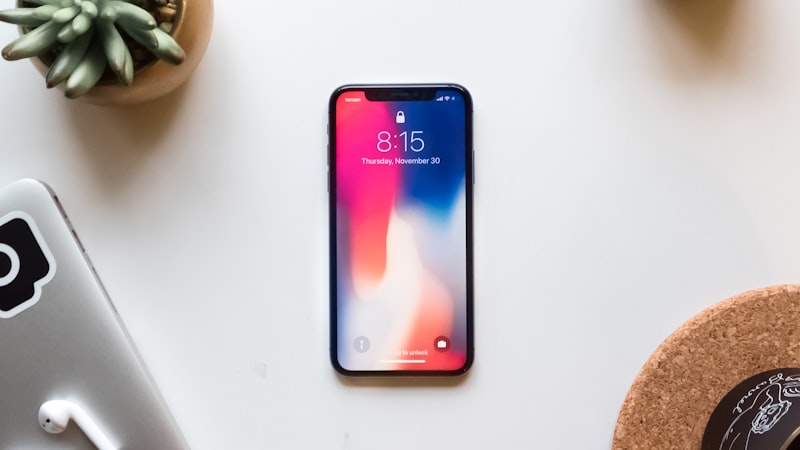
The initial iPhone models, with their relatively thick bezels, served a crucial purpose. They provided structural support, housed essential components like the front-facing camera and sensors, and offered a comfortable area for users to grip the device. As display technology advanced and manufacturing processes became more refined, Apple began to chip away at these borders. The iPhone 5, with its taller screen, represented an early step in this direction. Later, the introduction of edge-to-edge displays on models like the iPhone X marked a significant turning point.
Achieving near-zero bezels is not merely an aesthetic pursuit. It presents several complex engineering challenges. One of the most significant hurdles involves miniaturizing and relocating components traditionally housed within the bezel. The front-facing camera, proximity sensor, and ambient light sensor must either be significantly reduced in size or cleverly integrated beneath the display. Apple has explored various solutions, including under-display cameras (UDC), although concerns about image quality and light transmission have slowed their widespread adoption.
Another challenge lies in maintaining structural integrity. As bezels shrink, the display becomes more vulnerable to damage from drops and impacts. This necessitates the use of stronger materials and more robust construction techniques. The move to Ceramic Shield glass on the iPhone 12 was a direct response to this concern, offering improved drop performance. However, further innovations are needed to protect displays with minimal or no bezels. Apple's use of titanium, as explored in our article on material choices, is one such example, offering high strength-to-weight ratio to the device's frame.
Furthermore, minimizing bezels requires innovative display technologies. OLED displays, with their flexible substrates and ability to be bent or folded, are crucial in achieving edge-to-edge designs. These displays can be wrapped around the edges of the device, further reducing the visible bezel. The quality of the display itself is also paramount, as discussed in detail on iPhone View. Pixel density, color accuracy, and brightness must all be maintained, even as the display extends closer to the edge of the device.
Looking ahead, the future of iPhone bezels likely involves a combination of these approaches. Under-display cameras and sensors will continue to improve, eventually reaching a point where they can be seamlessly integrated without compromising performance. Advanced materials and construction techniques will provide the necessary structural support, ensuring that displays are durable and resistant to damage. And display technology will continue to evolve, enabling even more flexible and bezel-less designs.
Beyond simply shrinking the bezel, Apple may also explore alternative form factors that eliminate the need for a traditional bezel altogether. Foldable iPhones, rumored for years, could offer a larger display area without increasing the overall size of the device. While such a device may still have a small bezel around the edges of the folded display, the overall impact on the user experience would be significantly different.
The pursuit of minimal bezels is a continuous journey, driven by Apple's desire to create a more immersive and seamless user experience. While challenges remain, the progress made over the past decade demonstrates Apple's unwavering commitment to innovation. As technology continues to advance, we can expect to see even more dramatic reductions in bezel size, paving the way for a truly edge-to-edge iPhone.
Questions readers ask
Have patents or job listings hinted at shrinking bezels decade pursuit?
Yes — recent USPTO filings reference adjacent mechanisms, and Apple has been quietly posting roles in the relevant hardware and software teams. None of that guarantees a ship date, but it confirms the project is actively staffed.
Who is the realistic day-one buyer for shrinking bezels decade pursuit?
Enthusiasts and developers buy the first run. Mainstream adoption tracks the second-generation revision, once the rough edges are sanded down and the price comes in roughly $100 lower at the same tier.
Does iOS need rearchitecting to make shrinking bezels decade pursuit work properly?
Apple would need a window manager or surface-handling layer in iOS to do this well. The plumbing already exists on iPadOS in a limited form, so the engineering question is less invention and more refinement.
Where is Apple's supply chain on shrinking bezels decade pursuit right now?
Reports out of Asia consistently cite a handful of suppliers competing on the relevant component, with Apple splitting orders rather than single-sourcing. That hedging pattern tends to mean a real product is being prepared, not just an R&D exploration.
In short — what's the takeaway on more from iphone arc?
It comes back to whether Apple can ship shrinking bezels decade pursuit without compromising the parts of the iPhone people already pay for. The detail in this section is where that case is made or broken.