iPhone's Evolving Approach to Device Size: The Pursuit of Pocketability
iPhone's Evolving Approach to Device Size: The Pursuit of Pocketability
For much of the iPhone's history, the trend was clear: bigger is better. Driven by the demand for larger screens for media consumption, gaming, and productivity, Apple steadily increased the physical dimensions of its flagship devices. However, recent design choices suggest a subtle but significant shift in priorities, hinting at a renewed focus on pocketability and ergonomic comfort.
Editor's pick: MagSafe iPhone cases on Amazon → As an Amazon Associate, this site earns from qualifying purchases.
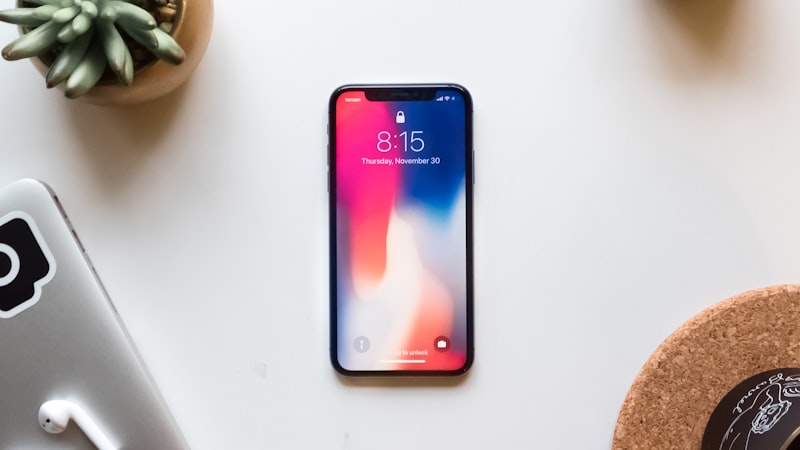
The initial iPhone, released in 2007, was a revolutionary device but also relatively compact. Its 3.5-inch display was considered large at the time, and the device's overall size was manageable for most users. As the smartphone market matured, the demand for larger displays intensified. Apple responded with larger models like the iPhone 6 Plus and subsequent iterations, culminating in the Max versions. These devices offered immersive viewing experiences but at the cost of one-handed usability and ease of carrying.
The iPhone 12 mini marked a notable departure from this trend. Apple explicitly marketed it as a smaller, more pocketable alternative. While it boasted the same core features as its larger siblings, including 5G connectivity and the A14 Bionic chip, its compact size resonated with users who prioritized portability. However, despite its initial popularity, the mini line was discontinued after the iPhone 13 mini. This raised questions about the viability of smaller iPhones in a market seemingly dominated by larger screens.
However, the discontinuation of the 'mini' doesn't necessarily signal the end of Apple's interest in device size. Instead, it points to a more nuanced approach. Apple appears to be exploring alternative ways to improve pocketability without sacrificing screen real estate or feature sets. This includes optimizing internal component placement, reducing bezel sizes (as we explored in our analysis of display technology at iPhone View), and refining the overall industrial design.
Supply chain reports suggest Apple is also experimenting with new materials and manufacturing processes that could enable thinner and lighter devices. This aligns with the ongoing efforts to improve the energy efficiency of components and batteries, further reducing the need for larger internal volume. The move towards titanium, as explored in our previous article “Why Apple Chose Titanium and What Comes Next,” allows for thinner walls and increased strength, contributing to a more compact design without compromising durability.
Furthermore, advancements in display technology, such as microLED, could potentially lead to smaller and more energy-efficient displays in the future. These displays could offer comparable visual quality to current OLED panels but with a smaller footprint. Combined with improvements in camera technology and processing power, this could allow Apple to create iPhones that are both powerful and pocketable.
Apple's evolving approach to device size is also intertwined with the development of augmented reality (AR) and virtual reality (VR) technologies. As AR glasses and headsets become more prevalent, the need for large-screen smartphones may diminish. Instead, iPhones could serve as companion devices, providing processing power and connectivity while relying on AR/VR interfaces for visual output. This could pave the way for even smaller and more discreet iPhone designs in the future.
The future of iPhone design is unlikely to be defined by a single size. Instead, Apple is likely to offer a range of models catering to different user preferences and needs. While larger iPhones will continue to appeal to users who prioritize screen real estate, there is a growing demand for devices that strike a better balance between functionality and pocketability. Apple's ongoing efforts to optimize internal design, explore new materials, and embrace emerging display technologies suggest a commitment to addressing this demand.
Ultimately, the pursuit of pocketability is not simply about shrinking the iPhone. It's about creating a device that seamlessly integrates into users' lives, offering power and versatility without compromising comfort or convenience. This ongoing evolution will likely shape the iPhone's design for years to come.
Questions readers ask
Have patents or job listings hinted at evolving device size?
Yes — recent USPTO filings reference adjacent mechanisms, and Apple has been quietly posting roles in the relevant hardware and software teams. None of that guarantees a ship date, but it confirms the project is actively staffed.
Who is the realistic day-one buyer for evolving device size?
Enthusiasts and developers buy the first run. Mainstream adoption tracks the second-generation revision, once the rough edges are sanded down and the price comes in roughly $100 lower at the same tier.
Does iOS need rearchitecting to make evolving device size work properly?
Apple would need a window manager or surface-handling layer in iOS to do this well. The plumbing already exists on iPadOS in a limited form, so the engineering question is less invention and more refinement.
Where is Apple's supply chain on evolving device size right now?
Reports out of Asia consistently cite a handful of suppliers competing on the relevant component, with Apple splitting orders rather than single-sourcing. That hedging pattern tends to mean a real product is being prepared, not just an R&D exploration.
In short — what's the takeaway on more from iphone arc?
It comes back to whether Apple can ship evolving device size without compromising the parts of the iPhone people already pay for. The detail in this section is where that case is made or broken.