The iPhone's Evolving Approach to Device Weight
The iPhone's Evolving Approach to Device Weight
For years, the pursuit of thinner and lighter smartphones was a relentless battleground for manufacturers. While Apple initially championed this trend, the iPhone's weight trajectory has become more nuanced, reflecting a complex interplay of technological advancements, material choices, and user expectations. This article examines the iPhone's weight evolution, exploring the design considerations that influence this crucial aspect of the user experience.
Editor's pick: MagSafe iPhone cases on Amazon → As an Amazon Associate, this site earns from qualifying purchases.
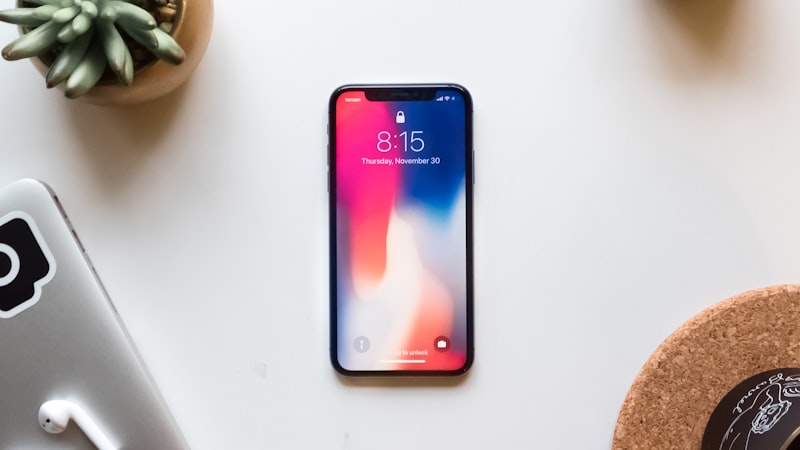
The early iPhones were relatively light, prioritizing portability. However, as features like larger screens, more powerful processors, and advanced camera systems were introduced, the weight naturally increased. The shift from plastic to aluminum unibody designs, starting with the iPhone 5, added rigidity and a premium feel but also contributed to the overall mass. Each generation presented a delicate balance: maintaining a comfortable weight while accommodating the growing demands of modern smartphone technology.
One of the most significant contributors to iPhone weight is the battery. As users demand longer battery life, Apple has consistently increased battery capacity, which directly impacts the device's weight. This presents a fundamental trade-off: optimizing for portability versus providing sufficient power to last through a full day of heavy usage. Apple has explored various battery technologies, including denser battery chemistries and more efficient power management systems, to mitigate this impact. The iPhone's evolving cooling solutions also play a part; larger heat sinks and vapor chambers, while essential for thermal management, add to the overall weight.
The choice of materials is another critical factor. The transition from aluminum to stainless steel for the iPhone X and subsequent Pro models, while adding a more premium aesthetic and increased durability, also resulted in a noticeable weight increase. The recent adoption of titanium for the iPhone 15 Pro and 15 Pro Max offered a slight weight reduction compared to stainless steel, showcasing Apple's ongoing efforts to optimize material selection for both performance and weight. Our sister site, MacBook Neo, has extensively covered the impact of material choices on the MacBook line, highlighting similar trade-offs between durability, weight, and cost.
Beyond materials and battery, the internal architecture of the iPhone also influences its weight. Apple's relentless pursuit of miniaturization, as evidenced by the shrinking footprint of internal components, has helped to offset some of the weight increases associated with larger batteries and more complex camera systems. The integration of components onto smaller, more densely packed circuit boards allows for a more efficient use of space, indirectly contributing to weight reduction. The transition to chiplet designs, rumored for future A-series processors, could further enhance integration and potentially lead to lighter devices.
Looking ahead, several factors could influence the iPhone's weight trajectory. The potential adoption of new battery technologies, such as solid-state batteries, could offer significant improvements in energy density, allowing for smaller and lighter batteries with comparable or even superior capacity. The exploration of alternative materials, such as advanced composites or magnesium alloys, could also lead to further weight reductions. However, the challenge remains: balancing weight with durability, performance, and user expectations.
The rise of foldable devices, as covered by iPhone Open, presents a unique set of challenges in terms of weight and ergonomics. While Apple has yet to enter the foldable market, the company's approach to weight optimization will be crucial if it decides to develop a foldable iPhone. The need to accommodate a larger display and a more complex hinge mechanism will likely require innovative engineering solutions to maintain a comfortable and manageable weight.
Ultimately, the iPhone's weight is not simply a matter of numbers; it's a crucial aspect of the overall user experience. Apple's ongoing efforts to optimize weight demonstrate a commitment to balancing technological advancements with user comfort and portability. While the pursuit of the absolute lightest smartphone may no longer be the primary goal, Apple's continued focus on material innovation, battery technology, and internal architecture suggests that the iPhone's weight will remain a key consideration in future designs.
Questions readers ask
Have patents or job listings hinted at evolving approach device weight?
Yes — recent USPTO filings reference adjacent mechanisms, and Apple has been quietly posting roles in the relevant hardware and software teams. None of that guarantees a ship date, but it confirms the project is actively staffed.
Who is the realistic day-one buyer for evolving approach device weight?
Enthusiasts and developers buy the first run. Mainstream adoption tracks the second-generation revision, once the rough edges are sanded down and the price comes in roughly $100 lower at the same tier.
Does iOS need rearchitecting to make evolving approach device weight work properly?
Apple would need a window manager or surface-handling layer in iOS to do this well. The plumbing already exists on iPadOS in a limited form, so the engineering question is less invention and more refinement.
Where is Apple's supply chain on evolving approach device weight right now?
Reports out of Asia consistently cite a handful of suppliers competing on the relevant component, with Apple splitting orders rather than single-sourcing. That hedging pattern tends to mean a real product is being prepared, not just an R&D exploration.
In short — what's the takeaway on more from iphone arc?
It comes back to whether Apple can ship evolving approach device weight without compromising the parts of the iPhone people already pay for. The detail in this section is where that case is made or broken.