The Unseen Dimension: Navigating iPhone Case Thickness for Optimal Protection and Usability
When selecting an iPhone case, attention often gravitates towards material, color, and design. Yet, a critical dimension frequently overlooked is the case's thickness. Beyond the visible aesthetics and the tactile feel of silicone or leather, the physical depth of a case profoundly influences its protective capabilities, ergonomic comfort, and interaction with accessories. Understanding this 'unseen dimension' is key to making an informed choice that aligns with your lifestyle and priorities.
Editor's pick: MagSafe iPhone cases on Amazon → As an Amazon Associate, this site earns from qualifying purchases.
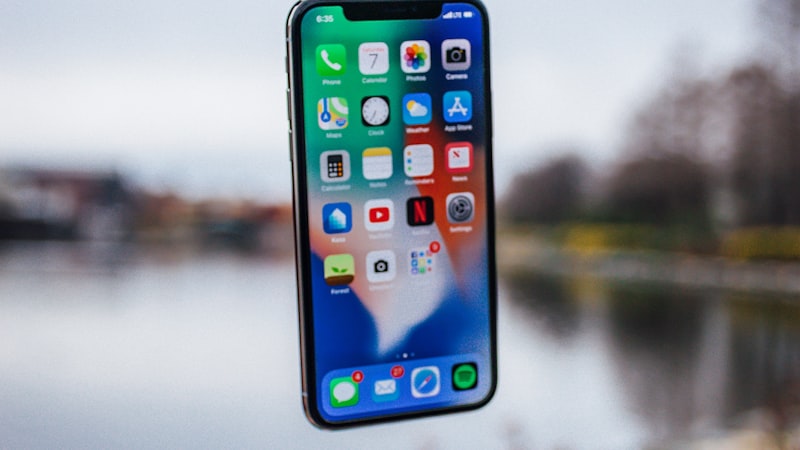
The Core Dilemma: Protection Versus Profile
At its heart, the decision around case thickness is a trade-off between maximal protection and maintaining the iPhone's sleek profile. Thicker cases generally offer superior impact absorption due to increased material volume and potentially multi-layered designs. These cases often feature advanced shock-absorbing polymers, reinforced corners, and internal ribbing engineered to dissipate force from drops and impacts. For users in demanding environments, or those prone to accidental drops, a thicker, more robust case provides a greater peace of mind against costly damage. However, this enhanced durability invariably comes at the cost of added bulk, transforming the svelte iPhone into a more substantial device.
Ergonomics and Everyday Handling
Grip and Comfort
The added millimeters of a thick case can significantly alter the iPhone's ergonomics. While some find the increased girth provides a more secure grip, particularly for larger hands, others may find it cumbersome, especially during prolonged one-handed use. The subtle contours and edge designs of the iPhone are often celebrated for their comfortable hold; a thick case can obscure these, replacing them with its own, potentially less refined, ergonomic profile. The material of the case also interacts with its thickness; a thick, grippy silicone case feels very different from a thick, smooth plastic one.
Pocketability and Portability
A thicker case naturally occupies more space. This impacts how easily your iPhone slides into pockets, small bags, or car mounts. For those who value a minimalist carry or frequently use tight pockets, even a few extra millimeters can make a noticeable difference, transforming a comfortable fit into a tight squeeze. This aspect is particularly relevant for the larger iPhone Pro Max models, where every additional fraction of an inch adds to the device's already considerable footprint.
MagSafe Integration: A Delicate Balance
The advent of MagSafe has added another layer of complexity to case selection, especially regarding thickness. MagSafe accessories, such as chargers, wallets, and stands, rely on precise magnetic alignment and strength to function optimally. A case that is too thick can create a significant distance between the iPhone's internal MagSafe array and the accessory, weakening the magnetic connection. This can lead to slower charging speeds, precarious wallet attachments, or even accessories detaching unexpectedly. Case manufacturers frequently specify 'MagSafe compatibility,' often indicating that the case has integrated magnets to restore the connection strength, but even then, excessive thickness can still be a deterrent. Users heavily reliant on the MagSafe ecosystem must carefully consider how a case's thickness will affect the performance and security of their magnetic accessories.
Visual Impact and Design Harmony
The iPhone's design has evolved over generations, with Apple consistently refining its lines, materials, and finishes. A thick case, by its very nature, obscures much of this industrial design. For users who appreciate the iPhone's inherent aesthetic, a bulky case can feel like a necessary compromise rather than an enhancement. Conversely, some embrace the protective shell, viewing it as a canvas for personal expression or a practical tool. The visual impact extends to how the case integrates with other elements; a thick case can make the iPhone appear more utilitarian, contrasting with Apple's pursuit of a seamless, almost invisible hardware experience.
Beyond the Back: Camera and Screen Protection
Case thickness also plays a crucial role in protecting the iPhone's most vulnerable areas: the screen and the camera module. Most quality cases incorporate raised bezels around the display and a protective lip around the camera array. The height and robustness of these protective edges are directly related to the case's overall thickness. A thicker case typically allows for more substantial bezels, providing a greater buffer against direct impacts when the phone is placed face down or dropped. For comprehensive screen protection, pairing an appropriate case with a high-quality screen protector, as detailed on iPhone View (https://iphoneview.com), offers a robust defense against daily wear.
Choosing Your Ideal Thickness Profile
- The Minimalist: If drops are rare and you prioritize the iPhone's original feel, an ultra-thin case (1mm or less) offers scratch protection without significant bulk. Be aware that impact protection is minimal.
- The Balanced User: A slim-to-medium thickness case (1mm-2.5mm) often strikes the best balance, providing decent drop protection while maintaining reasonable ergonomics and MagSafe functionality.
- The Adventure Seeker: For high-risk environments or frequent drops, a rugged, thicker case (2.5mm+) is advisable. These cases often come with reinforced corners and multi-material construction, though they will add considerable bulk and may impact MagSafe performance.
Ultimately, the ideal iPhone case thickness is a personal choice, a calibration point between protection, usability, and aesthetic preference. By understanding the multifaceted impact of this often-overlooked dimension, you can select a case that not only safeguards your device but also enhances your daily interaction with it.