The Evolving iPhone SIM: From Physical Tray to Digital eSIM and Beyond
The Evolving iPhone SIM: From Physical Tray to Digital eSIM and Beyond
The Subscriber Identity Module, or SIM, has been a crucial component of mobile phone technology for decades, providing a secure method for identifying and authenticating users on cellular networks. The iPhone, throughout its history, has undergone a significant evolution in its approach to SIM technology, reflecting broader industry trends and Apple's push for streamlined designs and enhanced user experiences.
Editor's pick: MagSafe iPhone cases on Amazon → As an Amazon Associate, this site earns from qualifying purchases.
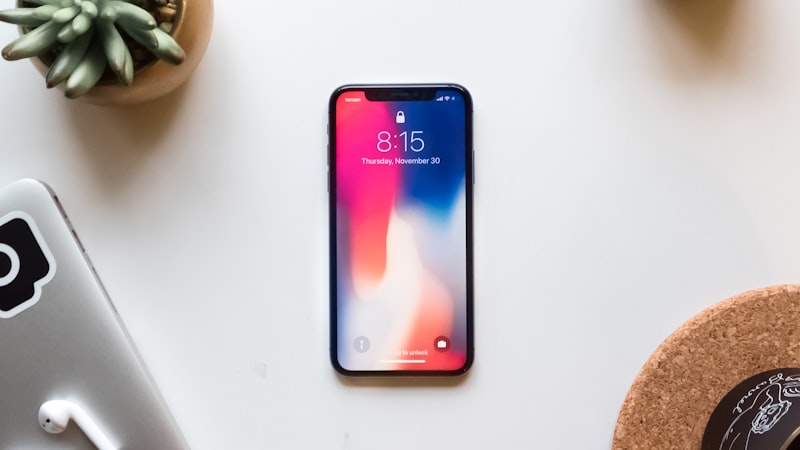
The Era of the Physical SIM
Early iPhones, like the vast majority of mobile phones at the time, relied on physical SIM cards housed in a tray that users could access with a SIM eject tool. These cards, initially mini-SIMs and later micro-SIMs and nano-SIMs, contained the necessary information to connect to a mobile network. While functional, physical SIM cards presented several limitations. They occupied valuable internal space, required a physical tray mechanism that could be prone to damage, and necessitated a manual swapping process when users wanted to switch carriers or use different phone numbers.
The eSIM Revolution
Apple began to integrate eSIM (embedded SIM) technology into its iPhones, starting with the iPhone XS, iPhone XS Max, and iPhone XR. An eSIM is a digital SIM that is embedded directly into the device's hardware, eliminating the need for a physical card. This marked a significant shift in how iPhones connect to cellular networks. Users can activate an eSIM through their carrier, often by scanning a QR code or downloading a carrier app. This offers several advantages:
- Space Saving: Eliminating the physical SIM tray frees up internal space for other components, such as larger batteries or advanced camera systems.
- Flexibility: eSIMs allow users to easily switch between multiple carriers or phone numbers without physically swapping SIM cards. This is particularly useful for travelers or individuals who maintain separate personal and business lines.
- Enhanced Security: Because eSIMs are embedded, they are less susceptible to theft or tampering compared to physical SIM cards.
For several years, iPhones included both a physical nano-SIM slot and an eSIM, offering users a hybrid approach. However, Apple has increasingly prioritized eSIM technology, culminating in the removal of the physical SIM tray entirely from some iPhone models in certain regions, such as the United States. This decision was met with mixed reactions, with some users praising the increased convenience and others expressing concerns about compatibility with older networks or difficulties switching carriers in certain international locations.
Navigating the eSIM Landscape
For users considering an iPhone without a physical SIM tray, it's crucial to understand the implications and ensure compatibility with their carrier and usage scenarios. Check with your carrier to confirm that they support eSIM activation and that their network is compatible. If you travel frequently, research eSIM availability in your destination countries and consider using international eSIM providers.
The Future of Connectivity
The transition to eSIM technology represents a significant step towards a more seamless and flexible mobile experience. As mobile technology continues to evolve, we can expect further innovations in connectivity. Concepts such as integrated connectivity solutions that dynamically switch between cellular and satellite networks are being actively developed, potentially rendering the traditional SIM concept obsolete. Apple's continued investment in eSIM technology suggests a long-term commitment to this digital approach, paving the way for future iPhones with even greater connectivity capabilities and streamlined designs.
Questions readers ask
Where is Apple's supply chain on evolving sim right now?
Reports out of Asia consistently cite a handful of suppliers competing on the relevant component, with Apple splitting orders rather than single-sourcing. That hedging pattern tends to mean a real product is being prepared, not just an R&D exploration.
Is evolving sim realistic for the next iPhone, or further out?
Most signals point to a later cycle rather than imminent release. Component lead times for evolving sim suggest Apple is still validating the supply side, and the company tends to wait until yields hit production targets before committing on stage.
What's the biggest tradeoff Apple has to swallow for evolving sim?
Every Apple decision is a tradeoff, and the obvious one here is internal volume. Adding evolving sim costs millimetres somewhere — usually battery capacity or camera module depth — and Apple has to decide which line item to trim.
What does evolving sim actually cost — in price, weight, or battery?
Expect a premium of roughly $200–300 over the standard model, plus a small weight penalty. Battery life is the bigger variable — early prototypes typically trade an hour or two of screen-on time for the new capability, then claw it back over a generation.
In short — what's the takeaway on the era of the physical sim?
It comes back to whether Apple can ship evolving sim without compromising the parts of the iPhone people already pay for. The detail in this section is where that case is made or broken.